Root canal treatment is one of the most common and important dental procedures used to save damaged or infected teeth. In 2026, modern dentistry has made root canals much faster, safer, and more comfortable than in the past.
Despite its reputation, a root canal is not a painful procedure. In fact, it is designed to relieve severe tooth pain and prevent tooth extraction.
This complete guide explains what a root canal is, why it is needed, and a detailed step-by-step breakdown of the entire procedure so patients in Illinois and beyond can understand exactly what to expect.
What Is a Root Canal?
A root canal is a dental treatment used to remove infected or damaged tissue inside a tooth.
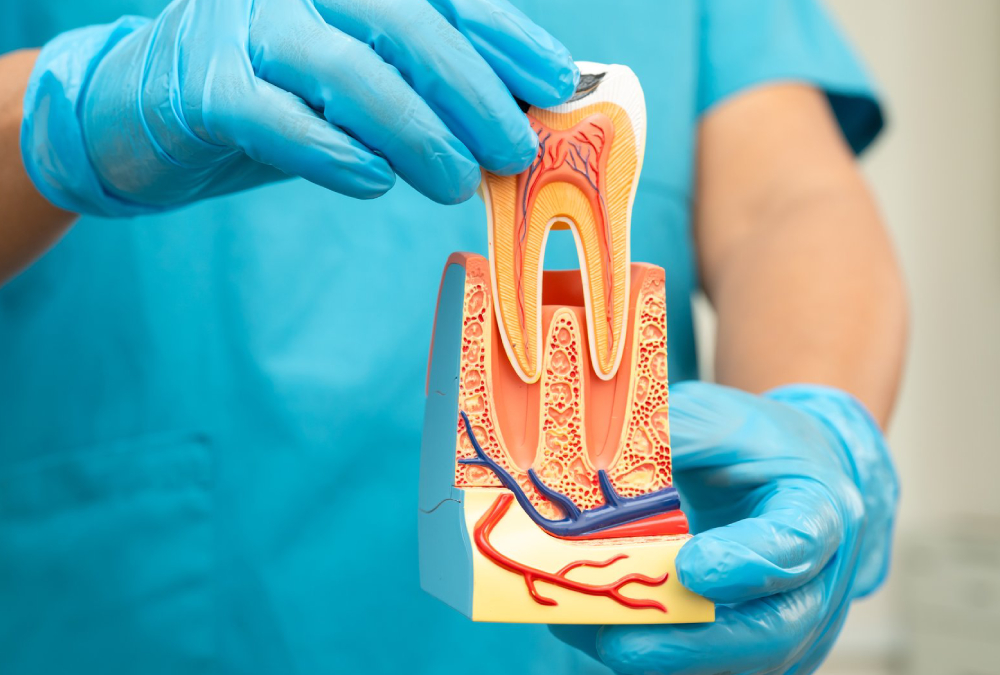
Inside every tooth is a soft tissue called the pulp, which contains nerves and blood vessels. When this pulp becomes infected or inflamed, it can cause severe pain and lead to serious complications.
A root canal removes this infected pulp, cleans the inside of the tooth, and seals it to prevent future infection.
Why Root Canal Treatment Is Needed
Root canal treatment is necessary when the inner part of the tooth becomes infected or damaged.
Common reasons include:
- Deep tooth decay
- Cracked or broken tooth
- Repeated dental procedures on the same tooth
- Trauma or injury to the tooth
- Severe infection or abscess
Signs You May Need a Root Canal
Patients often experience clear symptoms when a root canal is required.
1. Severe Tooth Pain
Pain may be constant or triggered by chewing.
2. Sensitivity to Hot and Cold
Lingering pain after temperature changes.
3. Swollen Gums
Inflammation near the affected tooth.
4. Tooth Discoloration
The tooth may appear darker than others.
5. Pimple on Gums
A small bump indicating infection (abscess).
What Happens If You Don’t Get a Root Canal?
Ignoring infection can lead to serious dental problems.
Possible consequences:
- Spread of infection
- Bone loss in jaw
- Severe pain
- Tooth loss
- Systemic infection in rare cases
Root Canal Step-by-Step Procedure
Now let’s break down the full treatment process.
Step 1: Dental Examination & X-Rays
The dentist first examines the tooth and takes X-rays.
Purpose of this step:
- Identify infection
- Check root structure
- Determine severity of damage
Step 2: Local Anesthesia
Before starting, the area is numbed.
What this means:
- Patient feels no pain during procedure
- Only slight pressure may be felt
Modern anesthesia makes root canals comfortable and nearly painless.
Step 3: Isolation of Tooth
A rubber dam is placed around the tooth.
Why it is used:
- Keeps area dry
- Prevents bacteria from entering
- Improves precision
Step 4: Opening the Tooth
A small opening is made in the tooth crown.
Purpose:
- Access infected pulp
- Reach root canals
Step 5: Removal of Infected Pulp
This is the core step of the procedure.
What happens:
- Infected nerve tissue is removed
- Root canals are cleaned
- Debris and bacteria are eliminated
Step 6: Cleaning and Shaping
The inside of the tooth is carefully cleaned.
Purpose:
- Remove remaining infection
- Shape canals for filling
- Prevent future bacterial growth
Step 7: Disinfection
The canals are disinfected using antibacterial solutions.
Why this is important:
- Eliminates hidden bacteria
- Reduces risk of reinfection
Step 8: Filling the Canals
After cleaning, the canals are filled.
Material used:
- Gutta-percha (rubber-like material)
Purpose:
- Seal canals
- Prevent bacteria entry
Step 9: Temporary Filling
A temporary filling is placed on top of the tooth.
Purpose:
- Protect tooth until permanent restoration
- Allow healing
Step 10: Permanent Crown Placement
In most cases, a crown is placed later.
Why a crown is needed:
- Strengthens tooth
- Restores function
- Prevents fracture
How Long Does a Root Canal Take?
Simple cases:
1 appointment (60–90 minutes)
Complex cases:
2–3 visits
Is Root Canal Painful?
One of the biggest myths is that root canals are painful.
Reality:
- Procedure is not painful due to anesthesia
- Pain relief begins immediately after treatment
Most patients feel relief, not pain, after the procedure.
Recovery After Root Canal (Brief Overview)
Mild symptoms may include:
- Slight soreness
- Minor sensitivity
- Gum tenderness
These usually disappear in a few days.
Success Rate of Root Canal Treatment
Modern root canals are highly successful.
Success rate:
85% – 95%
Higher when followed by proper crown placement.
Benefits of Root Canal Treatment
Saves natural tooth
Eliminates pain
Prevents infection spread
Restores chewing ability
Maintains smile appearance
Root Canal vs Tooth Extraction
Root Canal:
- Saves natural tooth
- Better long-term function
Extraction:
- Removes tooth completely
- May require replacement later
Dentists usually prefer saving the tooth when possible.
Aftercare Tips
Avoid chewing hard foods immediately
Maintain oral hygiene
Take prescribed medication
Attend follow-up visits
Common Myths About Root Canals
Myth: Root canals are painful
Truth: They relieve pain
Myth: Tooth is removed
Truth: Tooth is preserved
Myth: Root canals cause illness
Truth: No scientific evidence supports this
Cost of Root Canal in Illinois (2026 Preview)
(Full cost guide will be in next article)
Estimated range:
$900 – $1,800 per tooth depending on complexity
Final Thoughts
Root canal treatment is a highly effective dental procedure designed to save infected or damaged teeth. In 2026, modern techniques have made the process faster, more comfortable, and more predictable than ever before.
Understanding the step-by-step process helps reduce fear and anxiety. Instead of being something to avoid, root canals should be seen as a tooth-saving solution that prevents extraction and restores oral health.
With proper care and timely treatment, a root canal-treated tooth can last many years and function just like a natural tooth.