
Teeth whitening is one of the fastest ways to improve your smile, but one of the most common questions patients ask is: how long do whitening results actually last?
The answer is not the same for everyone. Teeth whitening duration depends on the type of treatment, lifestyle habits, oral hygiene, and natural tooth structure.
In 2026, with improved dental materials and techniques, whitening results can last longer than before—but only if properly maintained.
This guide explains how long different whitening methods last, what affects longevity, and how you can make your results stay bright for as long as possible.
Average Duration of Teeth Whitening Results
On average:
- Professional whitening lasts 1 to 3 years
- At-home whitening lasts 3 months to 1 year
- Whitening toothpaste lasts only a few days to weeks of visible effect
However, these timelines can vary widely based on daily habits.
How Long Different Whitening Methods Last
1. Professional In-Office Whitening
This is the longest-lasting and most effective option.
Duration
1 to 3 years (sometimes longer with good care)
Why It Lasts Longer
- Strong whitening agents penetrate deeper
- Dentist-controlled application ensures even results
- Teeth are thoroughly cleaned before treatment
Best For Long-Term Results
Yes, especially when combined with good oral hygiene.
2. Laser Teeth Whitening
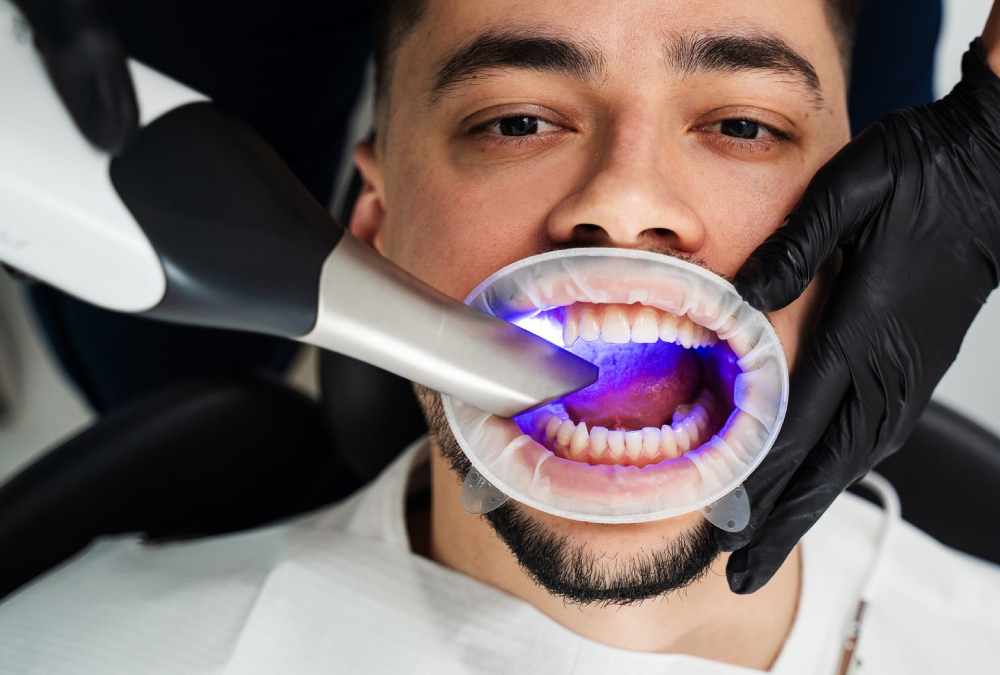
Laser whitening is a more advanced version of professional treatment.
Duration
1 to 2.5 years
Why It Lasts Well
- Deep stain removal
- Faster chemical activation
- Strong whitening effect
3. Custom Take-Home Whitening Trays
These provide gradual whitening over time.
Duration
6 months to 2 years
Why It Varies
- Depends on how consistently trays are used
- Maintenance routine plays a major role
4. Whitening Strips
A popular at-home option.
Duration
3 months to 1 year
Why It Fades Faster
- Lower-strength whitening gel
- Surface-level whitening only
5. Whitening Toothpaste
This is mainly for maintenance.
Duration
A few days to a few weeks (visual effect)
What It Does
- Removes surface stains
- Does not deeply whiten teeth
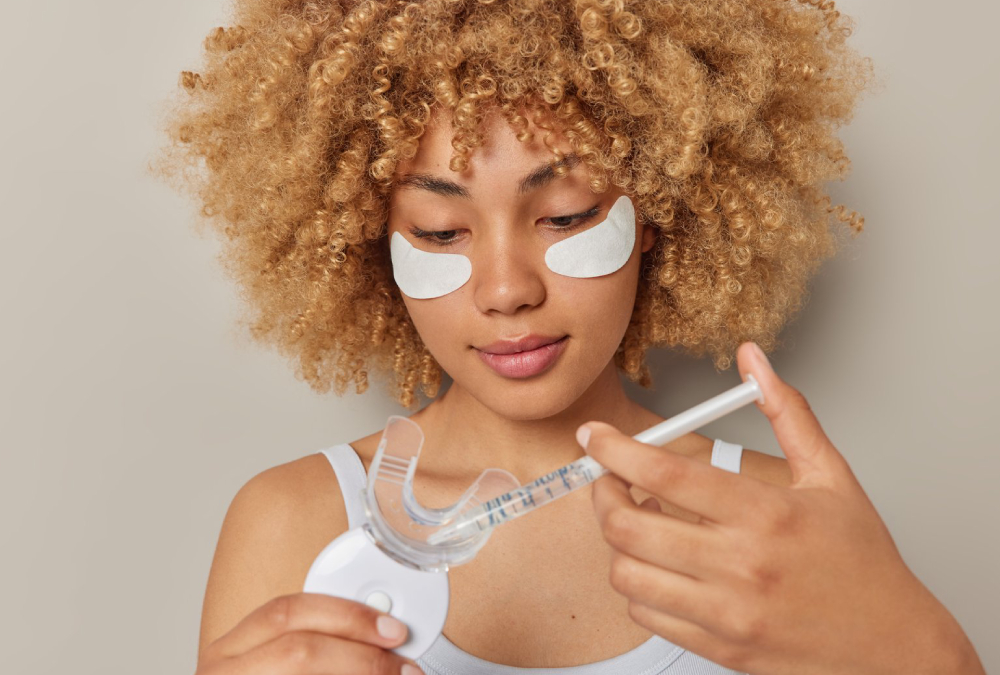
6. LED Whitening Kits (At-Home)
Duration
6 months to 1 year
Effectiveness
Better than strips but still less than professional treatment.
What Affects How Long Teeth Whitening Lasts
Several factors determine how quickly teeth lose their whiteness.
1. Diet and Food Habits
Certain foods stain teeth quickly.
Examples:
- Coffee
- Tea
- Red wine
- Cola drinks
- Dark sauces
Frequent consumption shortens whitening results.
2. Smoking and Tobacco Use
Smoking is one of the fastest ways to reverse whitening.
Effects:
- Yellow stains
- Persistent discoloration
- Faster fading of results
3. Oral Hygiene Routine
Good hygiene extends whitening results.
Essential habits:
- Brushing twice daily
- Flossing daily
- Using fluoride toothpaste
Poor hygiene causes faster staining.
4. Natural Tooth Color
Some people naturally have darker or more porous enamel, which stains faster.
5. Age
As people age:
- Enamel becomes thinner
- Dentin becomes more visible
- Teeth appear darker over time
6. Type of Whitening Treatment
Stronger professional treatments last longer than store-bought kits.
7. Lifestyle Habits
Frequent exposure to staining substances reduces longevity.
How to Make Teeth Whitening Last Longer
1. Avoid Staining Drinks
Limit or manage:
- Coffee
- Tea
- Soda
Tip:
Use a straw to reduce contact with teeth.
2. Brush Regularly
Brush at least twice daily to prevent stain buildup.
3. Use Whitening Toothpaste Occasionally
Helps maintain brightness without overuse.
4. Rinse After Eating
Simple water rinsing reduces staining agents.
5. Regular Dental Cleanings
Professional cleaning every 6 months removes surface stains.
6. Avoid Smoking
Quitting tobacco dramatically improves whitening longevity.
7. Touch-Up Treatments
Occasional touch-ups help maintain brightness.
Signs Your Whitening Is Fading
Teeth slowly turning yellow
Loss of brightness
Stains becoming visible again
Uneven color
When to Re-Whiten Teeth
Professional whitening:
Every 1–2 years
At-home maintenance:
Every 3–6 months if needed
Common Mistakes That Reduce Whitening Results
Drinking coffee immediately after whitening
Poor brushing habits
Smoking after treatment
Ignoring dental cleanings
Using low-quality whitening products
Professional vs At-Home Longevity Comparison
Professional Whitening:
- Long-lasting (1–3 years)
- Strong stain resistance
At-Home Whitening:
- Shorter duration (months to 1 year)
- Needs regular maintenance
Cost vs Longevity Insight
Higher cost treatments:
Last longer but require investment
Lower cost treatments:
Short-term results but budget-friendly
Best Strategy for Long-Lasting Results
Dentists often recommend a combination approach:
- Professional whitening once
- At-home maintenance
- Good daily oral care
This gives the best balance of cost and longevity.
Final Thoughts
Teeth whitening is not permanent, but its results can last a long time with proper care. In 2026, advanced dental treatments allow patients to enjoy brighter smiles for years, especially when combined with healthy habits.
The key to long-lasting whitening is not just the treatment itself, but how you take care of your teeth afterward. Avoiding staining foods, maintaining oral hygiene, and visiting your dentist regularly can significantly extend results.
A bright smile is not just a one-time achievement—it is a long-term commitment.