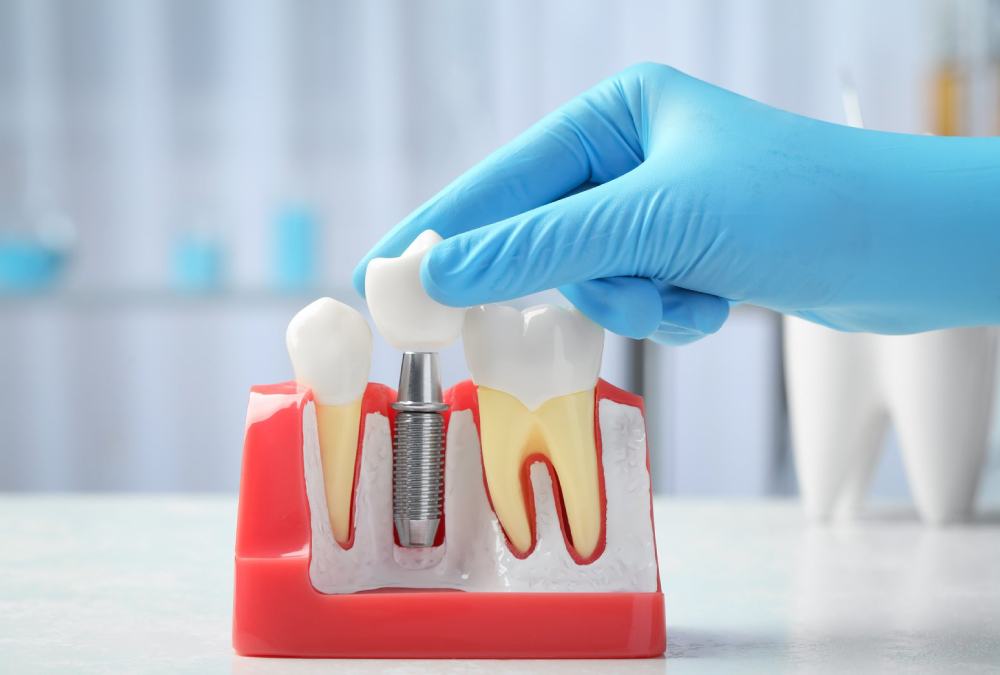
Dental implant surgery may sound complex, but in modern dentistry it is a well-structured, highly predictable procedure. In 2026, advanced imaging, digital planning, and minimally invasive techniques have made implant treatment safer, faster, and more comfortable than ever before.
Still, many patients feel unsure about what actually happens during the process. Understanding each step helps reduce anxiety and allows you to make informed decisions.
This guide explains the dental implant procedure step-by-step, from the first consultation to full healing and final crown placement.
Step 1: Initial Consultation and Examination
The first step is a detailed dental evaluation.
What the dentist checks:
- Number of missing teeth
- Gum health
- Bone density in jaw
- Overall oral condition
- Medical history
Diagnostic tests include:
- Dental X-rays
- 3D CBCT scans
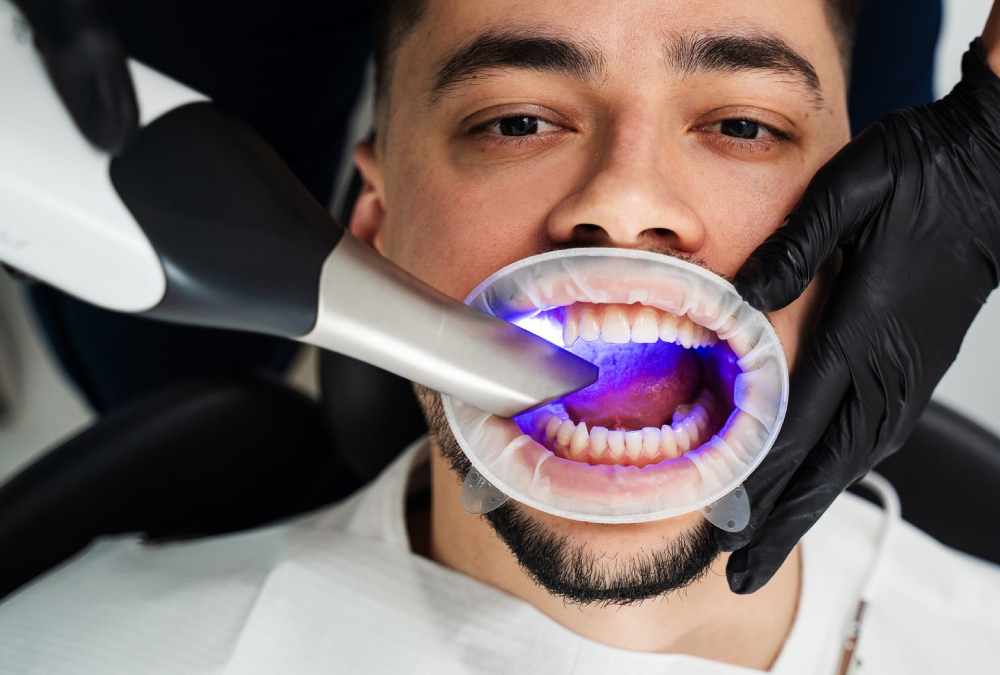
- Digital mouth impressions
These help the dentist determine if implants are suitable.
Why this step is important:
Not everyone is an immediate candidate. This stage ensures the treatment is safe and successful.
Step 2: Treatment Planning
Once evaluation is complete, a personalized treatment plan is created.
What is included in the plan:
- Number of implants needed
- Type of implant (single, multiple, full mouth)
- Bone grafting requirements (if needed)
- Timeline of treatment
- Cost estimate
Advanced 2026 technology:
Many clinics now use:
- Digital smile design
- 3D surgical planning software
- AI-based bite analysis
This increases accuracy and predictability.
Step 3: Tooth Extraction (If Required)
If the damaged tooth is still present, it may need removal.
Why extraction is needed:
- Severe decay
- Infection
- Broken tooth
- Failed previous treatment
Healing time:
- Immediate implant: sometimes same day
- Delayed implant: 4–8 weeks healing
Step 4: Bone Grafting (If Necessary)
Some patients do not have enough jawbone to support an implant.
What is bone grafting?
It is a procedure where bone material is added to strengthen the jaw.
Why it is needed:
- Bone loss after tooth removal
- Long-term missing teeth
- Weak jaw structure
Healing time:
3–6 months depending on case
Step 5: Implant Placement Surgery
This is the main surgical step.
What happens during surgery:
- Local anesthesia is applied
- Small incision is made in gums
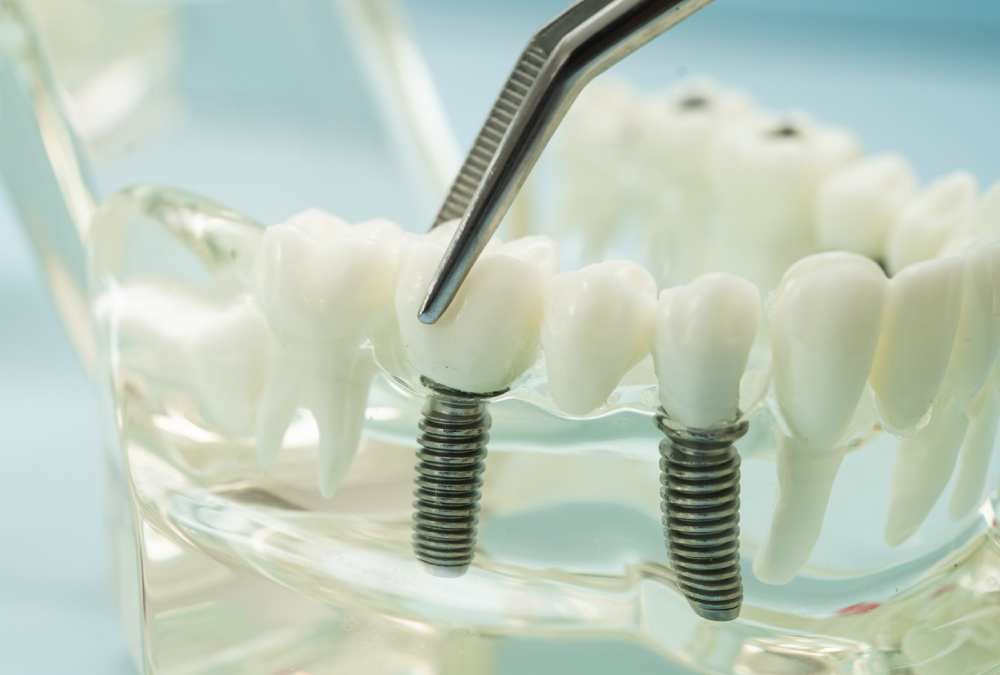
- A hole is drilled in the jawbone
- Titanium implant is inserted
- Gum is stitched back
Pain level:
Most patients report minimal pain due to anesthesia.
Duration:
30 minutes to 2 hours depending on number of implants
Step 6: Healing and Osseointegration
This is the most important phase of the process.
What is osseointegration?
It is the natural process where the implant fuses with the jawbone.
Healing time:
3 to 6 months
What happens during healing:
- Bone grows around implant
- Implant becomes stable
- Strong foundation is formed
Patient experience:
- Mild swelling
- Minor discomfort
- Temporary diet changes
Step 7: Abutment Placement
Once healing is complete, the next step begins.
What is an abutment?
It is a small connector placed on top of the implant.
Procedure:
- Gum is reopened slightly
- Abutment is attached
- Gum heals around it
Purpose:
It holds the crown securely in place.
Step 8: Crown Impressions
Now the visible tooth is prepared.
What happens:
- Dental impressions or digital scans are taken
- Color matching is done
- Shape is designed to match natural teeth
Modern technology:
In 2026, many clinics use:
- 3D scanning
- AI smile simulation
- CAD/CAM design systems
Step 9: Final Crown Placement
This is the final step of the implant process.
What happens:
- Custom crown is attached to abutment
- Fit and bite are adjusted
- Final polishing is done
Result:
A fully functional, natural-looking tooth is restored.
Step 10: Follow-Up Visits
Regular checkups ensure long-term success.
What dentists monitor:
- Implant stability
- Gum health
- Bite alignment
- Cleaning around implant
Frequency:
Every 6 months or as recommended
Healing Timeline Summary
Stage 1: Consultation
1–2 visits
Stage 2: Surgery
Same day procedure
Stage 3: Healing
3–6 months
Stage 4: Crown Placement
1–2 visits
Total time:
4 to 8 months on average
Pain and Recovery Expectations
During surgery:
Minimal pain due to anesthesia
After surgery:
- Mild swelling
- Slight discomfort
- Managed with medication
Recovery tips:
- Soft diet
- Avoid smoking
- Maintain oral hygiene
Aftercare for Dental Implants
Daily care:
- Brush twice daily
- Floss gently
- Use non-abrasive toothpaste
Lifestyle care:
- Avoid hard foods initially
- Do not chew ice or hard objects
- Avoid smoking
Possible Risks (Rare in Modern Dentistry)
Infection
Implant loosening
Gum irritation
Sinus complications (upper jaw)
Success rate remains very high (95–98%).
Cost of Full Implant Procedure in Illinois (2026)
Single implant:
$3,000 – $5,500
Multiple implants:
$8,000 – $20,000
Full mouth restoration:
$20,000 – $50,000+
Why the Step-by-Step Process Matters
Each stage ensures:
- Long-term stability
- Proper bone integration
- Natural appearance
- Functional performance
Skipping steps increases risk of failure.
Final Thoughts
The dental implant procedure is a carefully structured process designed for long-term success. While it takes time and multiple stages, the result is a permanent, natural-looking tooth replacement that restores both function and confidence.
In 2026, advancements in digital dentistry and surgical techniques have made implants more predictable and comfortable than ever before.
For most patients, the step-by-step process is worth the time investment because it leads to a stable, durable, and natural smile that can last decades.