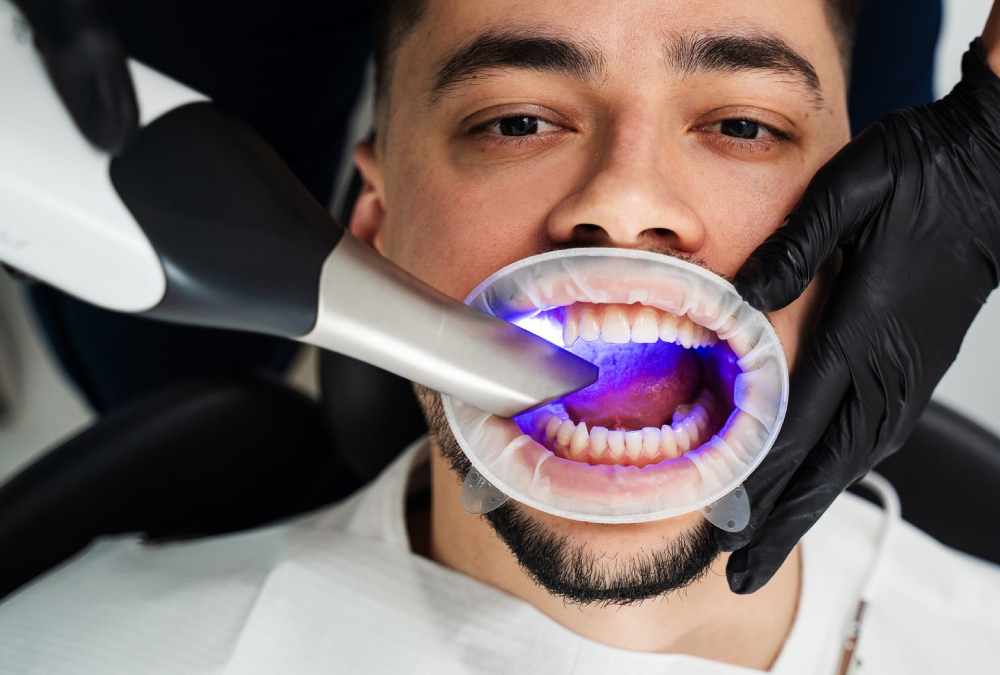

Root canal treatment is often feared because of misconceptions about pain. In reality, most patients experience significant pain relief after the procedure, not pain from it. However, like any dental treatment, there is a recovery phase that patients should understand to ensure smooth healing and long-term success.
In 2026, advancements in anesthesia, dental instruments, and post-treatment care have made root canal recovery much easier and more predictable than before. Still, knowing what is normal—and what is not—helps patients feel confident and prepared.
This guide explains everything about pain after root canal treatment, recovery timeline, side effects, healing tips, and warning signs to watch for.
Is Pain Normal After a Root Canal?
Yes, mild pain or discomfort after a root canal is completely normal.
However, this pain is usually:
- Mild to moderate
- Temporary
- Manageable with medication
- Gradually improving each day
Most patients actually feel immediate relief from the severe tooth pain they had before treatment.
Why Some Pain Happens After Treatment
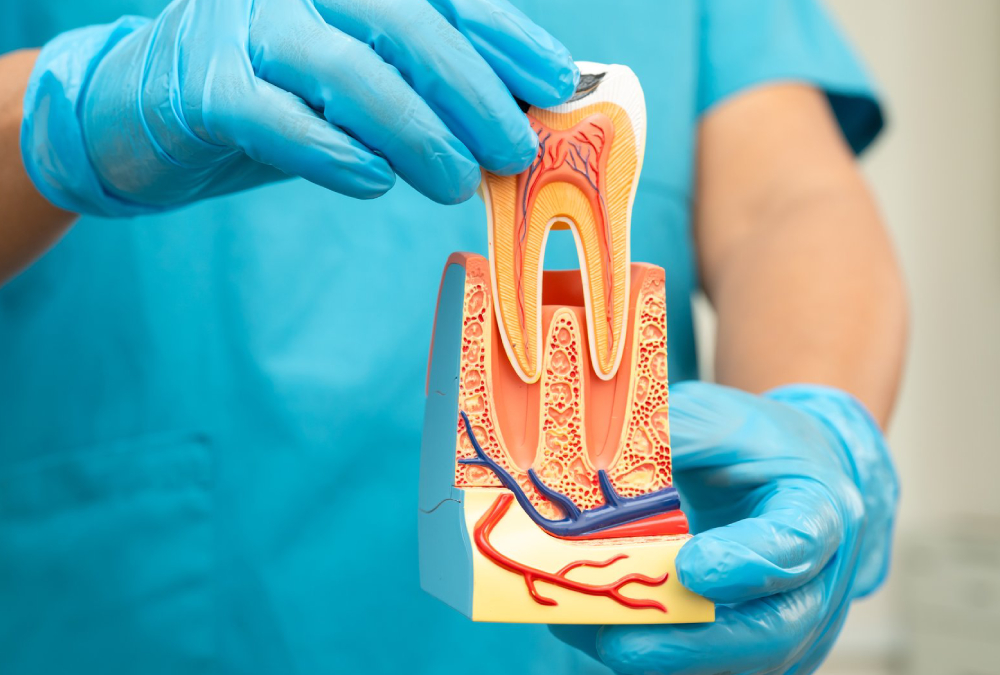
Even though the infected nerve is removed, the surrounding tissues still need time to heal.
Main reasons for post-treatment discomfort:
- Inflammation in surrounding gums
- Healing of internal tooth tissues
- Pressure from dental instruments used during treatment
- Temporary sensitivity in the area
- Bite adjustment after filling or crown
Types of Pain After Root Canal
Not all post-treatment sensations are the same.
1. Mild Soreness (Most Common)
What it feels like:
- Slight tenderness
- Mild ache when chewing
- Sensitivity around treated tooth
Duration:
1–3 days
2. Moderate Discomfort
What it feels like:
- Noticeable pain when biting
- Gum sensitivity
- Pressure feeling
Duration:
3–7 days
Usually improves with medication.
3. Sharp Pain (Less Common)
Possible causes:
- High bite (incorrect alignment)
- Residual inflammation
- Temporary nerve irritation
Action:
Dentist adjustment may be required.
Root Canal Recovery Timeline
Healing is gradual but predictable.
First 24 Hours
What to expect:
- Numbness wears off
- Mild soreness begins
- Slight swelling possible
Care:
- Avoid chewing on treated side
- Take prescribed painkillers
Days 2–3
What to expect:
- Pain starts decreasing
- Sensitivity remains mild
- Normal eating slowly resumes
Days 4–7
What to expect:
- Significant improvement
- Minimal discomfort
- Gum healing continues
After 1–2 Weeks
What to expect:
- Almost no pain
- Normal chewing restored
- Full comfort returns
Pain Management After Root Canal
Dentists usually recommend simple and effective methods to manage discomfort.
1. Over-the-Counter Pain Relief
Common medications include:
- Ibuprofen
- Acetaminophen
These reduce inflammation and pain.
2. Cold Compress
Applying ice packs helps reduce swelling.
How to use:
- 10–15 minutes at a time
- Apply externally on cheek
3. Avoid Chewing on Treated Side
This prevents pressure on healing tooth.
4. Soft Diet
Recommended foods:
- Yogurt
- Soup
- Mashed potatoes
- Smoothies
5. Good Oral Hygiene
Keeping the area clean prevents infection.
What Is Normal After a Root Canal?
Mild tenderness
Sensitivity to pressure
Slight gum irritation
Temporary discomfort when chewing
These are all part of normal healing.
What Is NOT Normal After a Root Canal?
You should contact a dentist if you experience:
Severe or increasing pain after 3–4 days
Swelling that worsens
Fever
Pus or discharge
Bite that feels “off”
These may indicate complications.
Causes of Prolonged Pain
Sometimes discomfort lasts longer than expected.
Possible reasons:
- High filling or crown
- Missed canal (rare)
- Persistent infection
- Tooth fracture
- Delayed healing response
Swelling After Root Canal
Mild swelling can occur but is usually temporary.
Normal swelling:
- Slight gum puffiness
- Improves within 2–3 days
Severe swelling:
May indicate infection and requires immediate attention.
Eating After Root Canal
Diet plays a big role in recovery.
First 24 hours:
- Soft foods only
- Avoid chewing on treated side
After a few days:
- Gradually return to normal diet
- Avoid hard or sticky foods
Can You Work After a Root Canal?
Yes, most patients can return to normal activities the same day or next day.
Exceptions:
- If sedation was used
- If multiple teeth were treated
- If discomfort is higher than usual
Recovery After Crown Placement
If a crown is placed after root canal:
- Mild sensitivity may return temporarily
- Adjustment period lasts a few days
- Final comfort is achieved quickly
How Long Does Full Healing Take?
Soft tissue healing:
3–7 days
Full internal healing:
1–2 weeks
Complete restoration (with crown):
Up to a few weeks
Factors That Affect Recovery
1. Severity of infection
2. Number of canals treated
3. Patient’s immune system
4. Oral hygiene habits
5. Whether crown was placed
How to Speed Up Recovery
Follow dentist instructions strictly
Take medications on time
Avoid chewing hard foods
Maintain oral hygiene
Attend follow-up visits
Benefits of Proper Recovery Care
Proper healing ensures:
- Long-lasting root canal success
- Reduced risk of reinfection
- Strong restored tooth
- Comfortable chewing
Myths About Root Canal Pain
Myth: Root canals cause severe pain
Truth: They relieve pain
Myth: Pain lasts for weeks
Truth: Most pain disappears in a few days
Myth: Recovery is complicated
Truth: Recovery is simple with proper care
Final Thoughts
Pain and recovery after a root canal are usually mild, temporary, and manageable. Most patients experience immediate relief from the severe discomfort caused by infection, followed by a short healing period.
In 2026, modern dental techniques have made root canal recovery faster and more comfortable than ever before. With proper care, medication, and follow-up visits, patients can expect a smooth recovery and long-term success.
A root canal is not something to fear—it is a treatment that removes pain, saves the natural tooth, and restores oral health.