
Dental implants are often considered the most advanced solution for replacing missing teeth, but many patients still ask a very practical question: are they really worth the cost, time, and procedure?
In 2026, with rising dental treatment costs in Illinois and improved implant technology, this question is more relevant than ever. Dental implants are a long-term investment, not just a cosmetic fix, so it’s important to understand their real value from every angle.
This guide breaks down the benefits, drawbacks, long-term value, cost comparison, and real-life considerations to help you decide whether dental implants are worth it for you.
What Makes Dental Implants Different?
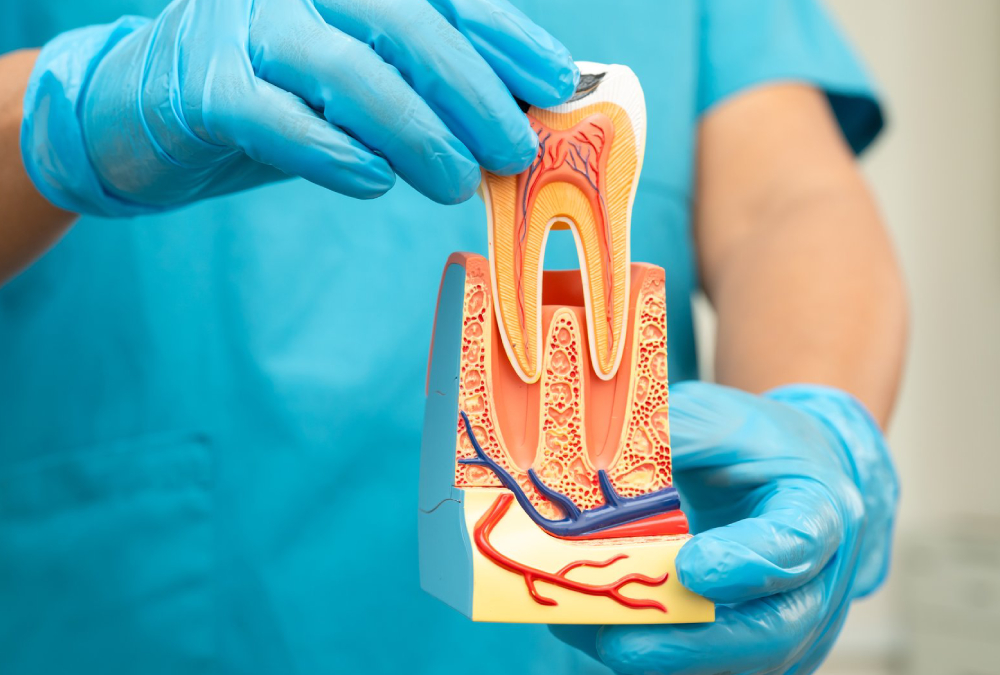
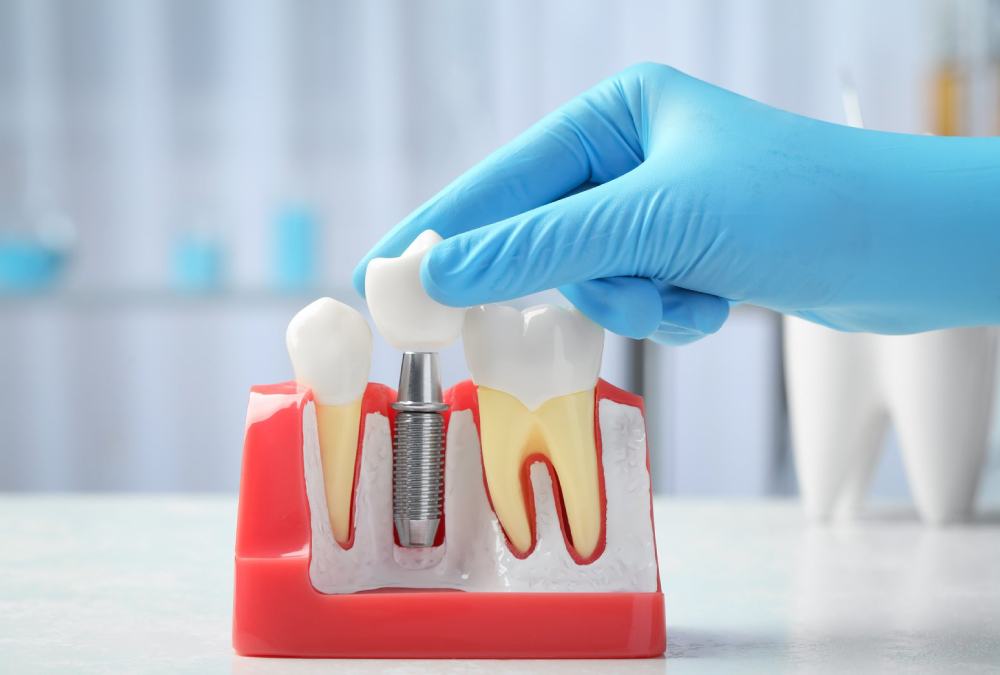
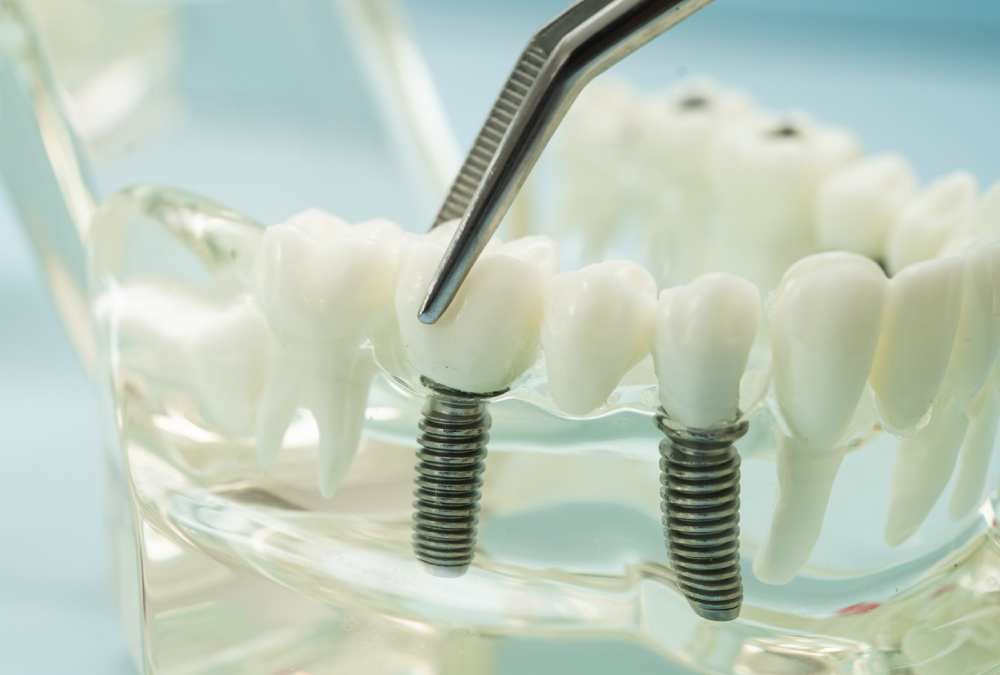
Dental implants are not just “fake teeth.” They replace the entire tooth structure, including the root.
Unlike dentures or bridges, implants are placed into the jawbone and function like natural teeth.
This key difference is what makes them unique—but also more expensive and time-intensive.
Short Answer: Are Dental Implants Worth It?
For most people, yes—dental implants are worth it because they:
- Last decades or even a lifetime
- Look and feel natural
- Prevent bone loss
- Improve chewing and speech
- Require no removal or adhesives
However, they are not the best choice for everyone due to cost, healing time, and health requirements.
Key Benefits That Make Dental Implants Worth It
1. Long-Term Durability
One of the biggest advantages of implants is their lifespan.
Lifespan:
15–25 years or more
Some last a lifetime with proper care
Why it matters:
Other options often need replacement:
- Dentures: every 5–8 years
- Bridges: every 10–15 years
Implants reduce long-term dental expenses.
2. Natural Look and Feel
Dental implants are designed to look like real teeth.
Benefits:
- Matches natural tooth color
- Feels like a real tooth while chewing
- No slipping or movement
Most people cannot tell the difference between implants and natural teeth.
3. Better Chewing Ability
Implants restore nearly full chewing strength.
Comparison:
- Dentures: 20–30% chewing efficiency
- Implants: up to 90–100% efficiency
This allows patients to eat:
- Meat
- Nuts
- Fruits
- Hard foods without discomfort
4. Prevents Bone Loss
This is one of the most important medical benefits.
When a tooth is missing:
- Jawbone begins to shrink
- Facial structure changes over time
Implants stimulate the bone like natural tooth roots, preventing deterioration.
5. No Impact on Nearby Teeth
Unlike bridges:
- Implants do not require grinding nearby teeth
- Adjacent teeth remain healthy and untouched
This protects overall dental structure.
6. Improved Confidence
Missing teeth can affect:
- Self-esteem
- Social interactions
- Professional appearance
Implants restore a complete smile, improving confidence significantly.
7. Low Maintenance
Implants do not require special cleaning products or removal.
Care needed:
- Regular brushing
- Flossing
- Dental checkups
No adhesives or soaking required.
Costs: Are Dental Implants Expensive?
Yes—dental implants are one of the most expensive dental treatments.
Illinois (2026) average costs:
- Single implant: $3,000 – $5,500
- Full mouth implants: $20,000 – $50,000+
- Implant-supported dentures: $8,000 – $15,000
Why they cost more:
- Surgical procedure
- High-quality materials (titanium)
- Advanced technology
- Multiple treatment stages
Cost vs Value: Long-Term Perspective
Although implants cost more upfront, they may actually save money over time.
Dentures:
- Need replacements
- Repairs required
- Adhesives and maintenance
Implants:
- One-time investment
- Minimal maintenance
- Long lifespan
Over 20 years, implants can be more cost-effective.
Time Commitment: Are Implants Worth the Wait?
Implant treatment is not instant.
Timeline:
- Initial surgery
- Healing: 3–6 months
- Crown placement
Total time: several months
Is it worth waiting?
For most patients, yes—because results last decades.
Disadvantages of Dental Implants
To make a fair decision, limitations must also be considered.
1. High Cost
Not affordable for everyone without insurance or financing.
2. Long Healing Time
Bone integration takes months.
3. Surgical Procedure
Implants require minor oral surgery.
4. Not Suitable for Everyone
Some patients may not qualify due to:
- Bone loss
- Gum disease
- Smoking habits
- Certain medical conditions
5. Possible Complications (Rare)
- Infection
- Implant failure
- Nerve sensitivity
Success rate is still very high (95%+).
Dental Implants vs Other Options
1. Implants vs Dentures
Dentures:
- Affordable
- Removable
- Less stable
Implants:
- Permanent
- Stable
- Natural feel
Winner: Implants (long-term)
2. Implants vs Bridges
Bridges:
- Faster
- Lower cost
Implants:
- Longer lasting
- No damage to adjacent teeth
Winner: Implants
Who Should Get Dental Implants?
Ideal candidates:
- Missing one or more teeth
- Healthy gums
- Good bone structure
- Non-smokers or willing to quit
Best for:
- Long-term solution seekers
- People wanting natural results
- Patients tired of dentures
Who May Not Find Them Worth It?
May reconsider if:
- Budget is very limited
- Health conditions prevent surgery
- Temporary solution is preferred
Success Rate and Reliability
Dental implants are one of the most successful procedures in dentistry.
Success rate:
95%–98%
Higher when performed by experienced dentists.
Psychological Value of Implants
Beyond physical benefits, implants offer emotional and psychological improvements:
- Reduced anxiety while speaking
- Improved social confidence
- Better quality of life
Real-Life Value Summary
Dental implants are not just about teeth—they affect:
- Eating comfort
- Facial structure
- Long-term oral health
- Self-confidence
Final Verdict: Are Dental Implants Worth It?
For most patients, yes—dental implants are absolutely worth it.
They provide:
- Long-lasting results
- Natural appearance
- Functional improvement
- Bone preservation
- High success rates
However, they are best suited for patients who are ready for a long-term investment in their oral health.
If affordability and time are not major barriers, implants are one of the best dental solutions available in 2026.