
Maintaining healthy teeth is not just about visiting the dentist occasionally—it starts with a strong daily oral care routine. In 2026, with increasing awareness about dental health, more people understand that consistent daily habits can prevent most dental problems, including cavities, gum disease, and bad breath.
A proper oral care routine not only protects your teeth but also improves overall health, confidence, and quality of life.
This guide covers everything you need to know about building the perfect daily oral care routine for healthy teeth, step by step.
Why Daily Oral Care Is Important
Many dental problems develop slowly over time. Without proper daily care, issues like plaque buildup and gum inflammation can lead to serious conditions.
1. Prevents Tooth Decay
Regular cleaning removes bacteria that cause cavities.
2. Protects Gum Health
Healthy gums are essential for strong teeth support.
3. Prevents Bad Breath
Daily cleaning removes odor-causing bacteria.
4. Saves Money
Preventive care reduces the need for expensive treatments.
5. Improves Overall Health
Oral health is linked to heart health and overall wellness.
The Ideal Daily Oral Care Routine (Step-by-Step)
A proper routine should be followed twice daily—morning and night.
Step 1: Brush Your Teeth Properly (Twice a Day)
Brushing is the foundation of oral care.
How to brush correctly:
- Use a soft-bristled toothbrush
- Brush for at least 2 minutes
- Hold brush at a 45-degree angle
- Clean all surfaces (front, back, chewing areas)
Morning brushing:
Removes bacteria built overnight.
Night brushing:
Most important—removes food and plaque from the day.
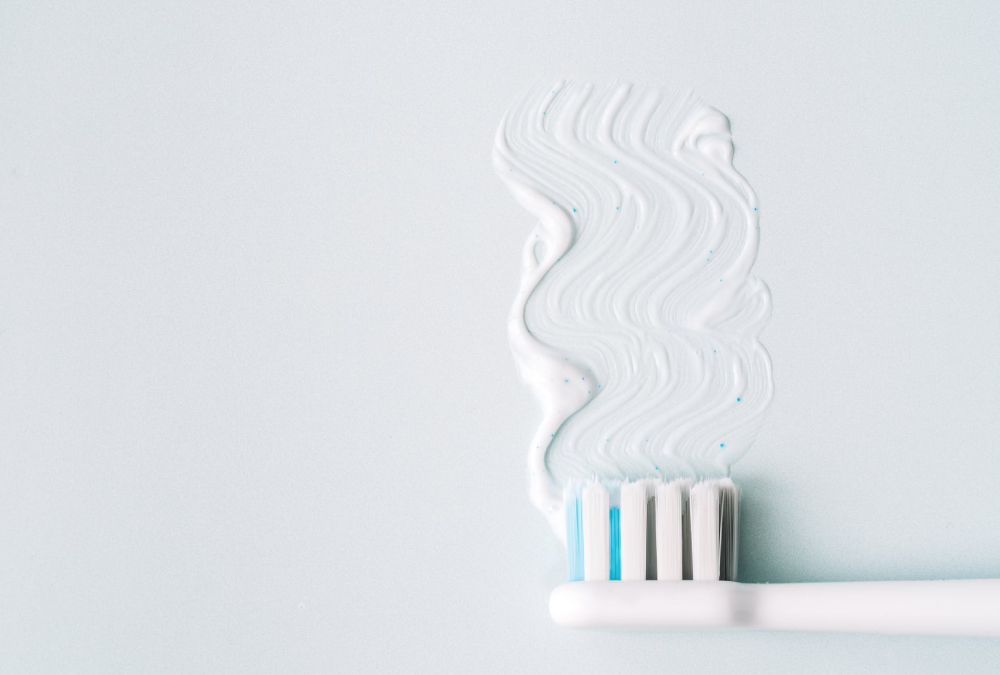
Step 2: Use the Right Toothpaste
Choose toothpaste that contains:
- Fluoride (strengthens enamel)
- Anti-cavity protection
- Sensitivity protection if needed
Avoid overly abrasive toothpaste for daily use.
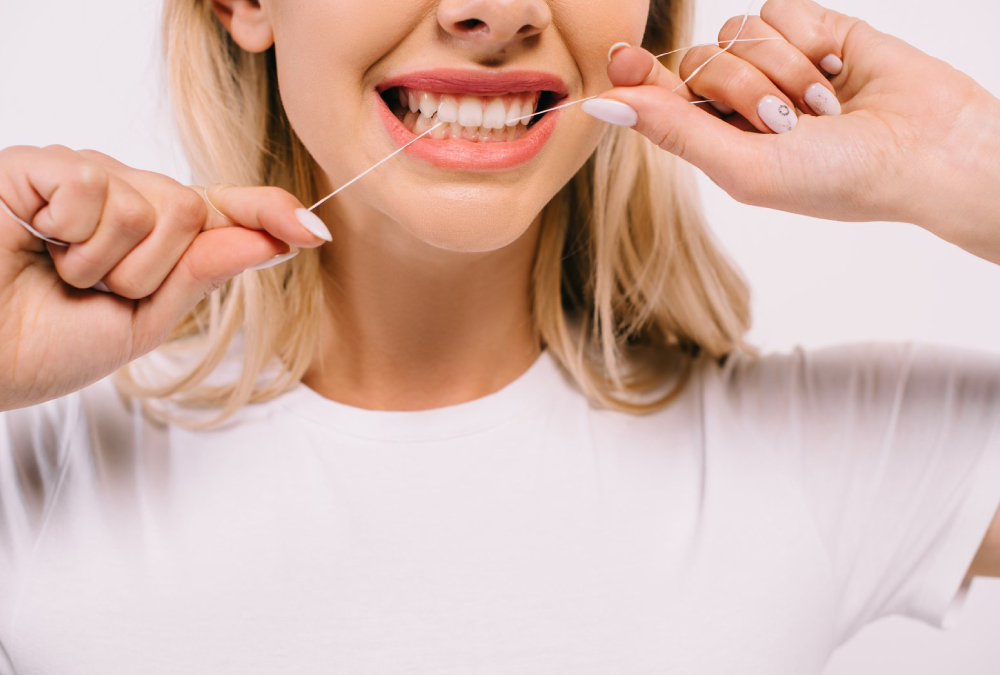
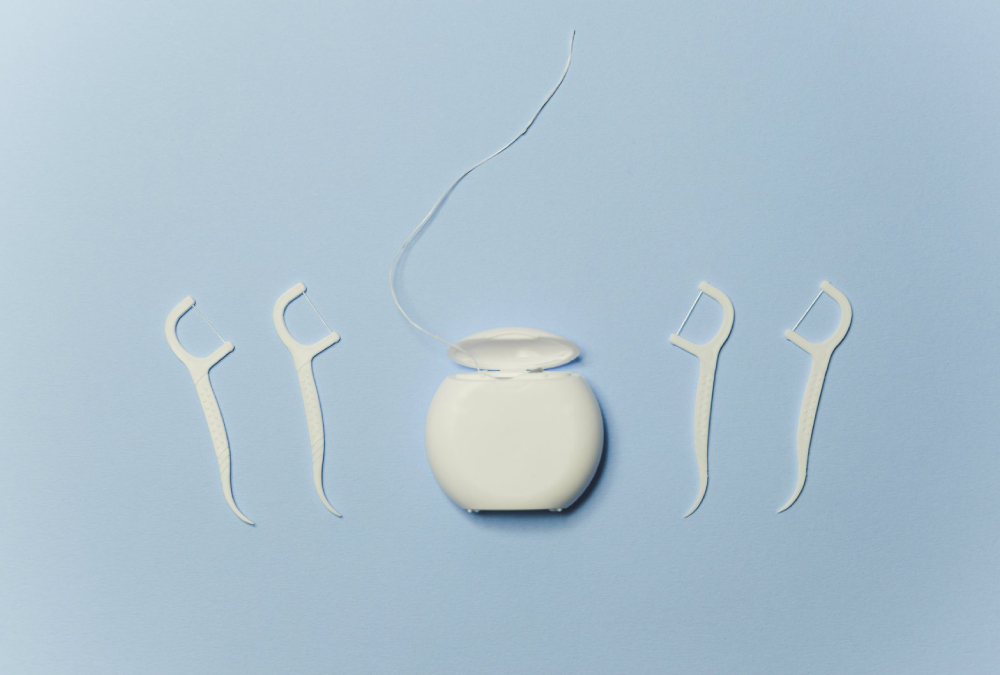
Step 3: Floss Daily
Flossing cleans areas your toothbrush cannot reach.
Why flossing is important:
- Removes food particles between teeth
- Prevents gum disease
- Reduces plaque buildup
How to floss:
- Use about 18 inches of floss
- Gently slide between teeth
- Curve around each tooth
Best time: Before brushing at night.
Step 4: Use Mouthwash (Optional but Recommended)
Mouthwash provides additional protection.
Benefits:
- Kills bacteria
- Freshens breath
- Reduces plaque
Choose alcohol-free mouthwash for daily use.
Step 5: Clean Your Tongue
Many people skip this step, but it is very important.
Why:
- Bacteria accumulate on the tongue
- Causes bad breath
How:
- Use a tongue scraper or toothbrush
- Gently clean from back to front
Step 6: Stay Hydrated
Water plays a major role in oral health.
Benefits:
- Washes away food particles
- Keeps mouth moist
- Reduces bacteria growth
Drink water regularly throughout the day.
Step 7: Maintain a Tooth-Friendly Diet
Your diet directly affects your teeth.
Good foods:
- Fruits and vegetables
- Dairy products
- Nuts
Avoid:
- Sugary snacks
- Soft drinks
- Sticky foods
Morning vs Night Routine (Important Difference)
Morning Routine:
- Freshens breath
- Removes overnight bacteria
- Prepares mouth for the day
Night Routine:
- Removes plaque buildup
- Prevents overnight bacterial growth
- Most important for long-term dental health
Weekly and Monthly Additions to Routine
Weekly:
- Use whitening or strengthening treatments (if needed)
Monthly:
- Replace toothbrush if worn
- Check for signs of dental issues
Common Dental Problems Caused by Poor Routine
Cavities (tooth decay)
Gum disease
Bad breath
Tooth sensitivity
Plaque and tartar buildup
Signs Your Oral Care Routine Needs Improvement
Bleeding gums
Persistent bad breath
Yellowing teeth
Tooth pain or sensitivity
Plaque buildup
Best Practices for Maintaining Healthy Teeth
Brush twice daily without skipping
Floss at least once a day
Avoid excessive sugar
Drink enough water
Visit dentist every 6 months
Common Mistakes People Make
Brushing too hard
Skipping flossing
Not brushing at night
Using wrong toothbrush
Ignoring tongue cleaning
How Long Does It Take to See Results?
With a proper routine:
- Cleaner teeth: within days
- Fresher breath: immediately
- Healthier gums: 1–2 weeks
- Reduced plaque: 2–4 weeks
Consistency is key.
Dental Visits and Daily Routine
Even with perfect home care, dental visits are necessary.
Recommended:
- Checkup every 6 months
- Professional cleaning
- Early problem detection
Benefits of a Strong Daily Oral Care Routine
Long-lasting healthy teeth
Reduced dental costs
Better smile appearance
Improved confidence
Overall health benefits
Who Needs a Strict Oral Care Routine?
Everyone—but especially:
- Children
- Smokers
- People with braces
- Diabetic patients
- Elderly individuals
Final Thoughts
A daily oral care routine is the foundation of healthy teeth and gums. Simple habits like brushing, flossing, and maintaining a healthy diet can prevent most dental problems and save you from costly treatments in the future.
In 2026, dental care is more advanced than ever, but the basics remain the same—consistency, proper technique, and daily discipline.
Taking just a few minutes each day to care for your teeth can lead to a lifetime of healthy smiles.