Dental implants are one of the most advanced and reliable solutions for replacing missing teeth. In modern dentistry, they are considered the gold standard for tooth replacement because they look, feel, and function like natural teeth.
In 2026, dental implant technology has become even more precise, durable, and accessible across Illinois and worldwide. Whether someone has lost a single tooth or multiple teeth, implants offer a long-term solution that restores both appearance and oral function.
This complete guide explains everything about dental implants, including what they are, how they work, types, benefits, risks, cost, and who they are best suited for.
What Are Dental Implants?
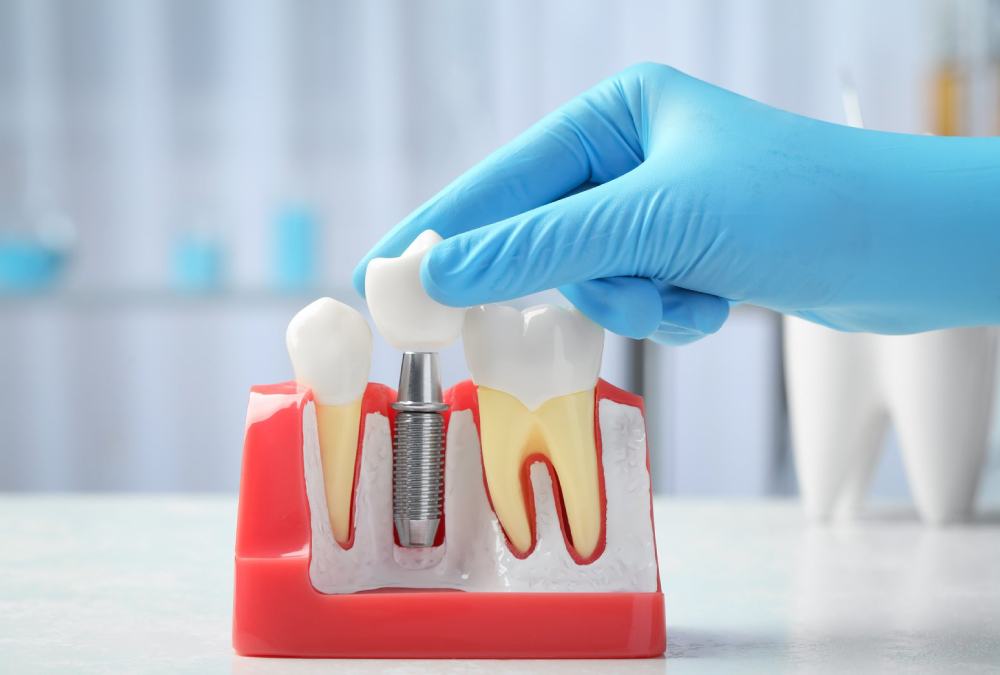
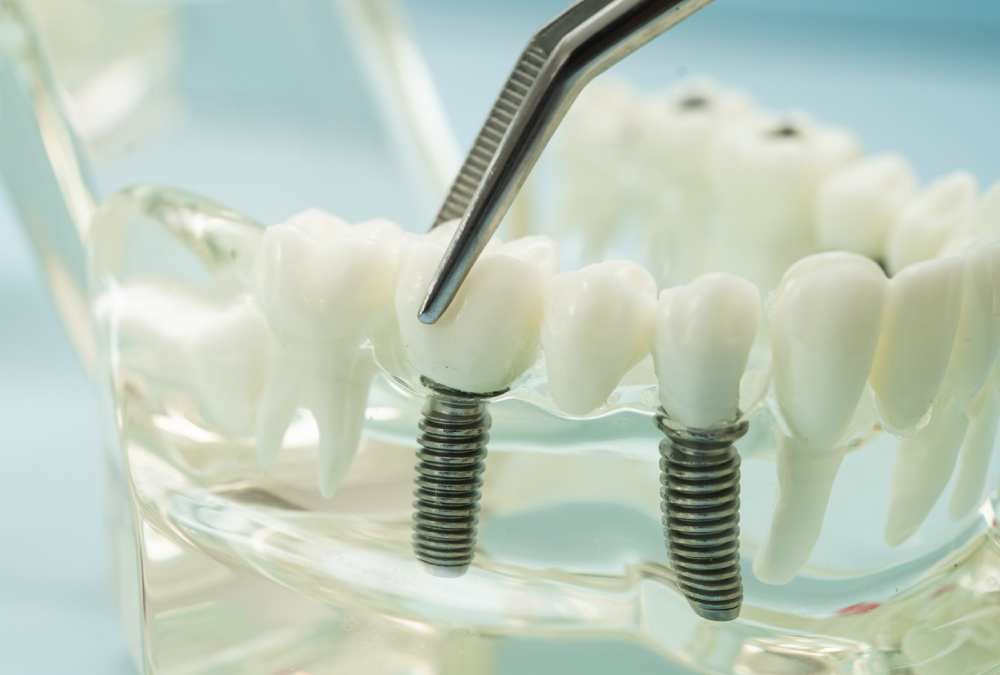
A dental implant is a small titanium post that is surgically placed into the jawbone to replace the root of a missing tooth.
Once the implant integrates with the bone, a crown (artificial tooth) is placed on top, creating a natural-looking replacement.
A dental implant consists of three main parts:
1. Implant Post
- Titanium screw placed in jawbone
- Acts as artificial tooth root
2. Abutment
- Connector between implant and crown
- Holds the crown securely
3. Crown
- Visible artificial tooth
- Designed to match natural teeth
Why Dental Implants Are Important
Missing teeth can cause more problems than just appearance issues.
1. Prevents Bone Loss
Jawbone shrinks when teeth are missing. Implants stimulate bone like natural roots.
2. Restores Chewing Ability
Implants allow normal eating without restrictions.
3. Improves Speech
Missing teeth can affect pronunciation. Implants restore clarity.
4. Maintains Facial Structure
Prevents sunken facial appearance caused by tooth loss.
5. Boosts Confidence
A complete smile improves self-esteem and social confidence.
Types of Dental Implants
1. Single Tooth Implant
Used to replace one missing tooth.
Best For:
- Single tooth loss
- Localized damage
2. Multiple Tooth Implants
Used when several teeth are missing.
Options:
- Individual implants
- Implant-supported bridges
3. Full Mouth Dental Implants
Used for complete tooth replacement.
Options:
- All-on-4 implants
- All-on-6 implants
4. Implant-Supported Dentures
Dentures attached to implants for stability.
Benefits:
- No slipping
- Better chewing power
How Dental Implants Work
Dental implants work through a process called osseointegration.
This means the titanium implant fuses with the jawbone over time, creating a strong foundation for the artificial tooth.
Benefits of Dental Implants
1. Long-Lasting Solution
Implants can last 15–25 years or even a lifetime.
2. Natural Look and Feel
They closely match real teeth in appearance and function.
3. No Damage to Nearby Teeth
Unlike bridges, implants do not affect adjacent teeth.
4. High Success Rate
Modern implants have a success rate of over 95%.
5. Improved Oral Health
Easier cleaning and better gum health.
Who Is a Good Candidate for Dental Implants?
Ideal candidates:
- Adults with missing teeth
- Healthy gums
- Sufficient jawbone density
- Non-smokers or willing to quit
- Good oral hygiene habits
May need extra treatment if:
- Bone loss is present
- Gum disease exists
- Chronic health conditions are uncontrolled
Who May Not Be Suitable?
Severe uncontrolled diabetes
Heavy smoking habits
Poor oral hygiene
Severe bone loss without grafting
Advantages Over Other Tooth Replacement Options
Implants vs Dentures
Implants:
- Permanent
- Stable
- Natural feel
Dentures:
- Removable
- May shift
- Less natural
Implants vs Bridges
Implants:
- No impact on nearby teeth
- Long-lasting
Bridges:
- Require grinding adjacent teeth
- Shorter lifespan
Risks and Limitations
Dental implants are generally safe, but some risks exist.
Possible risks:
- Infection
- Implant failure (rare)
- Nerve damage
- Sinus issues (upper jaw implants)
Most risks are minimized with proper care and experienced dentists.
Healing Time for Dental Implants
Initial healing:
1–2 weeks
Bone integration:
3–6 months
Full restoration:
Up to 6 months total
Cost of Dental Implants in Illinois (2026)
Single implant:
$3,000 – $5,500
Full mouth implants:
$20,000 – $50,000+
Implant-supported dentures:
$8,000 – $15,000
Insurance may partially cover some procedures.
How to Care for Dental Implants
Brush twice daily
Floss regularly
Use non-abrasive toothpaste
Avoid smoking
Visit dentist regularly
Foods to Avoid After Implant Surgery
Hard foods
Sticky foods
Very hot foods (initial healing phase)
Long-Term Care Tips
Maintain gum health
Avoid grinding teeth
Keep regular dental checkups
Success Rate of Dental Implants
Modern implants have a success rate of:
95%–98%
Success depends on:
- Oral hygiene
- Dentist experience
- Bone health
- Lifestyle habits
Final Thoughts
Dental implants are one of the most advanced and reliable solutions for missing teeth in modern dentistry. They not only restore appearance but also improve chewing function, speech, and overall oral health.
In 2026, implant technology is safer, more durable, and more natural-looking than ever before. For patients in Illinois and worldwide, implants represent a long-term investment in both health and confidence.
While the cost may be higher compared to other options, their longevity and benefits make them one of the best choices for tooth replacement.