Flossing is one of the most overlooked yet essential parts of oral hygiene. While most people brush their teeth daily, many skip flossing—leading to plaque buildup, gum disease, and cavities between teeth.
In 2026, dental experts continue to emphasize that brushing alone is not enough. Flossing cleans areas that toothbrushes simply cannot reach, making it a critical step in maintaining complete oral health.
This guide will walk you through everything you need to know about flossing, including techniques, types of floss, benefits, and common mistakes.
What Is Flossing?
Flossing is the process of using a thin thread or cleaning tool to remove:
- Food particles
- Plaque
- Bacteria
from between teeth and under the gumline—areas where a toothbrush cannot reach.
Why Flossing Is Important
Skipping flossing can lead to serious dental issues over time.
1. Removes Hidden Plaque
Plaque builds between teeth where brushing cannot clean.
2. Prevents Cavities Between Teeth
Many cavities form in tight spaces.
3. Protects Gum Health
Flossing reduces gum inflammation and bleeding.
4. Prevents Bad Breath
Food trapped between teeth causes odor.
5. Improves Overall Oral Hygiene
Flossing completes your daily cleaning routine.
What Happens If You Don’t Floss?
Plaque turns into tartar
Gum disease develops
Increased risk of tooth decay
Persistent bad breath
Tooth loss in severe cases
How Often Should You Floss?
At least once a day
Best time: before bedtime
Flossing at night removes food and plaque from the entire day.
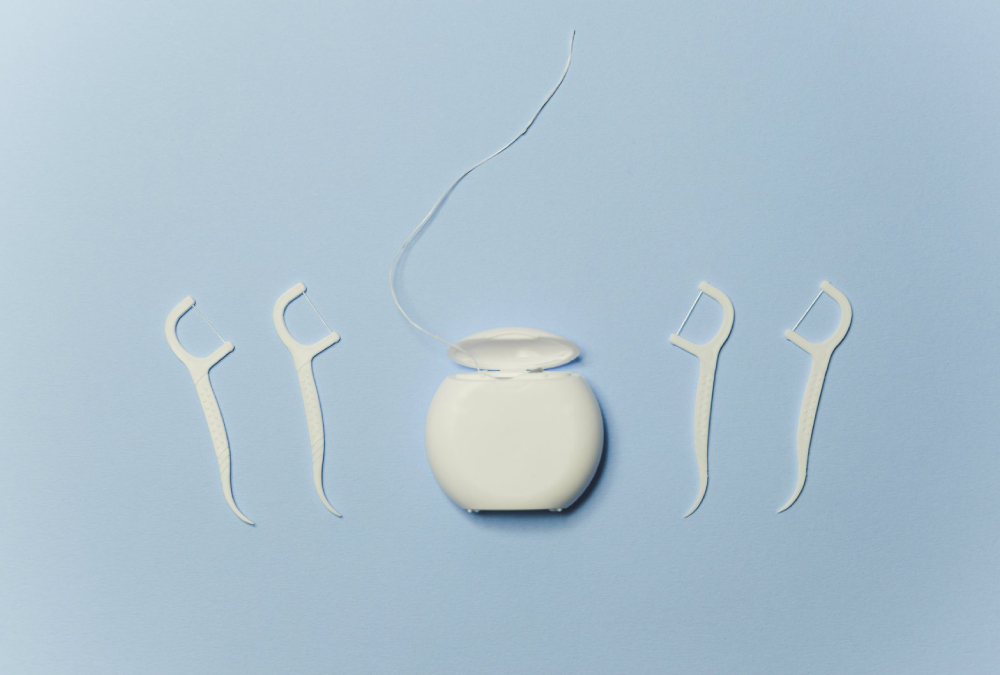
Types of Floss (Which One Should You Use?)
1. Traditional String Floss
Features:
- Thin thread
- Available waxed or unwaxed
Best for:
- Tight spaces between teeth
2. Dental Tape
Features:
- Wider and flatter than floss
Best for:
- People with wider gaps between teeth
3. Floss Picks
Features:
- Pre-threaded floss on plastic handle
Best for:
- Convenience
- Beginners
4. Water Flossers
Features:
- Uses water pressure to clean
Best for:
- Braces
- Sensitive gums
- Advanced cleaning
5. Interdental Brushes
Features:
- Small brush for gaps
Best for:
- Large spaces
- Gum recession cases
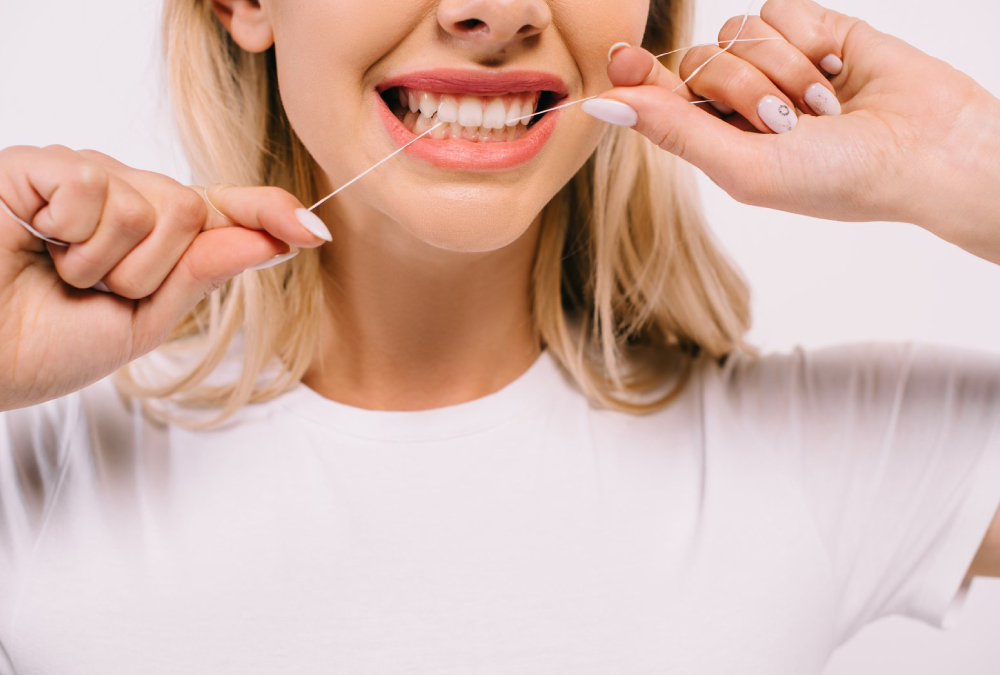
Step-by-Step: How to Floss Properly
Step 1: Use Enough Floss
Take about 18 inches of floss.
Step 2: Wrap Around Fingers
Wrap most of the floss around your middle fingers.
Step 3: Hold Firmly
Leave 1–2 inches of floss to work with.
Step 4: Insert Gently
Slide floss between teeth slowly—do not snap.
Step 5: Curve Around Tooth
Form a “C” shape against each tooth.
Step 6: Move Up and Down
Clean the sides of each tooth.
Step 7: Repeat for Each Tooth
Use a clean section of floss each time.
Flossing vs Brushing (Key Difference)
Brushing:
- Cleans tooth surfaces
- Removes plaque from outer areas
Flossing:
- Cleans between teeth
- Removes hidden debris
Both are necessary for complete oral care.
When Should You Floss?
Before brushing (recommended)
At night (most effective)
Flossing before brushing helps remove debris so toothpaste can reach better.
Common Flossing Mistakes
Flossing too aggressively
Skipping back teeth
Using too little floss
Not flossing daily
Snapping floss into gums
Signs You Need to Floss More
Bleeding gums
Bad breath
Food getting stuck often
Gum swelling
Plaque buildup
Does Flossing Cause Bleeding?
Yes, sometimes—but only in the beginning.
Why:
- Gums are inflamed due to plaque
Solution:
- Continue flossing gently
- Bleeding usually stops within a week
If it continues, consult a dentist.
Flossing Tips for Beginners
Start slowly
Use floss picks if easier
Be gentle with gums
Make it a daily habit
Flossing with Braces
Flossing becomes more important with braces.
Recommended tools:
- Floss threaders
- Water flossers
- Orthodontic floss
Flossing for Kids
Children should start flossing when:
- Teeth begin to touch
Parents should:
- Help until age 8–10
- Teach proper technique
Benefits of Daily Flossing
Healthier gums
Fewer cavities
Fresher breath
Cleaner teeth
Reduced dental costs
How Long Does Flossing Take?
2–3 minutes per day
A small investment for long-term dental health.
Flossing and Gum Disease Prevention
Flossing is the best defense against gum disease.
It helps prevent:
- Gingivitis (early stage)
- Periodontitis (advanced stage)
Cost of Flossing Tools (2026)
String floss: $2 – $6
Floss picks: $5 – $10
Water flosser: $30 – $150
Affordable and widely available.
Best Daily Routine Including Flossing
- Floss
- Brush teeth
- Clean tongue
- Use mouthwash
Final Thoughts
Flossing is a simple but powerful habit that plays a critical role in maintaining oral health. While brushing cleans the visible surfaces of your teeth, flossing targets the hidden areas where most dental problems begin.
In 2026, with increasing awareness of preventive dental care, flossing is no longer optional—it is essential. Just a few minutes of daily flossing can prevent cavities, protect your gums, and keep your smile healthy for life.
Consistency is the key. Once flossing becomes part of your daily routine, you will notice cleaner teeth, fresher breath, and healthier gums.