Choosing the right toothbrush and toothpaste is one of the most important parts of maintaining strong oral health. While brushing twice a day is essential, using the wrong tools or products can reduce effectiveness, damage enamel, or even irritate your gums.
In 2026, there are more options than ever—from manual toothbrushes to electric ones, and from basic fluoride toothpaste to specialized formulas for sensitivity, whitening, and gum care.
This guide will help you understand how to choose the best toothbrush and toothpaste, based on your needs, and how to use them correctly for maximum results.
Why Choosing the Right Toothbrush & Toothpaste Matters
Many people assume all dental products work the same—but that’s not true.
1. Protects Tooth Enamel
Using the right products prevents damage to enamel.
2. Improves Cleaning Efficiency
Better tools remove more plaque and bacteria.
3. Prevents Gum Damage
Wrong brushing tools can cause gum irritation.
4. Targets Specific Dental Issues
Different toothpaste types help with:
- Sensitivity
- Cavities
- Whitening
- Gum disease
Types of Toothbrushes (Which One Is Best?)
1. Manual Toothbrush
The most common and affordable option.
Features:
- Easy to use
- Available everywhere
- Budget-friendly
Best for:
- Everyday basic use
- Travel
Limitation:
- Depends on your brushing technique
2. Electric Toothbrush
A modern and highly effective option.
Features:
- Automatic movement
- Consistent brushing pressure
- Built-in timers
Benefits:
- Removes more plaque
- Easier to use
- Better for beginners
Best for:
- People with braces
- Those with limited hand movement
- Anyone wanting deeper cleaning
3. Sonic Toothbrush
A type of electric toothbrush with high-speed vibrations.
Benefits:
- Advanced cleaning power
- Reaches deeper areas
- Improves gum health
Best Toothbrush Bristle Type
Soft Bristles (Recommended)
- Gentle on gums
- Safe for enamel
- Ideal for daily use
Medium Bristles
- Slightly stronger cleaning
- Can cause gum irritation if used incorrectly
Hard Bristles (Not Recommended)
- Can damage enamel
- Can cause gum recession
Toothbrush Head Size & Design
Choose a toothbrush with:
- Small head for better reach
- Flexible neck for comfort
- Ergonomic handle for grip
How Often Should You Replace Your Toothbrush?
Every 3 months
After illness
When bristles become frayed
Old toothbrushes are less effective and can carry bacteria.
Types of Toothpaste (How to Choose the Right One)
1. Fluoride Toothpaste (Essential)
Benefits:
- Strengthens enamel
- Prevents cavities
- Recommended by dentists
Best for: Everyone
2. Whitening Toothpaste
Benefits:
- Removes surface stains
- Brightens teeth
Limitation:
- Does not deeply whiten teeth
Best for: Mild discoloration
3. Sensitive Teeth Toothpaste
Benefits:
- Reduces tooth sensitivity
- Protects exposed dentin
Best for: Pain from hot/cold foods
4. Gum Care Toothpaste
Benefits:
- Reduces gum inflammation
- Prevents bleeding gums
Best for: Gum disease prevention
5. Herbal/Natural Toothpaste
Features:
- No artificial chemicals
- Uses natural ingredients
Limitation:
- May lack fluoride
Best for: Natural product users
Key Ingredients to Look for in Toothpaste
Fluoride – strengthens enamel
Potassium nitrate – reduces sensitivity
Calcium compounds – repairs enamel
Antibacterial agents – reduce plaque
Ingredients to Avoid (If Possible)
Excessive abrasives
Harsh whitening chemicals
High alcohol content
Artificial irritants (for sensitive users)
How to Use Toothbrush & Toothpaste Correctly
Step 1:
Apply a pea-sized amount of toothpaste.
Step 2:
Brush for 2 minutes.
Step 3:
Use gentle circular motions.
Step 4:
Clean all tooth surfaces.
Step 5:
Spit, but avoid rinsing immediately (to let fluoride work).
Manual vs Electric Toothbrush: Which Is Better?
Manual Toothbrush:
- Affordable
- Effective with proper technique
Electric Toothbrush:
- Easier to use
- Better plaque removal
- Built-in features
Final Verdict:
Electric toothbrush is generally more effective, but manual works well if used properly.
Best Toothbrush & Toothpaste Combination
For Daily Use:
- Soft-bristle toothbrush
- Fluoride toothpaste
For Sensitive Teeth:
- Ultra-soft toothbrush
- Sensitive toothpaste
For Whitening:
- Electric toothbrush
- Whitening toothpaste
For Gum Health:
- Soft toothbrush
- Gum care toothpaste
Common Mistakes People Make
Using too much toothpaste
Brushing too hard
Not replacing toothbrush on time
Choosing hard bristles
Using wrong toothpaste for their needs
How to Choose Based on Your Needs
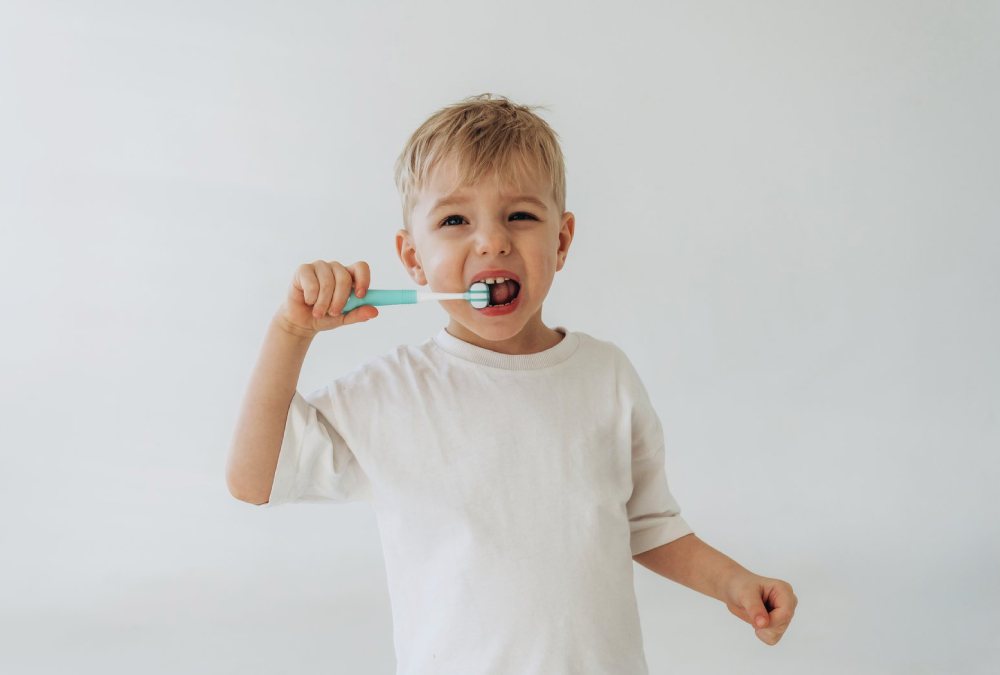
For children:
- Small soft toothbrush
- Low-fluoride toothpaste
For adults:
- Soft or electric toothbrush
- Fluoride toothpaste
For braces:
- Electric toothbrush
- Specialized orthodontic toothpaste
Cost Guide (2026)
Toothbrush:
- Manual: $2 – $10
- Electric: $30 – $200
Toothpaste:
- Basic: $3 – $10
- Specialized: $10 – $25
Benefits of Using the Right Products
Better plaque removal
Healthier gums
Reduced cavities
Fresher breath
Long-term oral health
Final Thoughts
Choosing the best toothbrush and toothpaste is a simple but powerful step toward maintaining healthy teeth. With so many options available in 2026, the key is to select products that match your personal dental needs rather than following trends.
A soft-bristle toothbrush combined with fluoride toothpaste remains the gold standard for most people, while electric toothbrushes provide additional convenience and efficiency.
Consistency matters more than anything—using the right tools daily will ensure strong teeth, healthy gums, and a confident smile for years to come.