
A root canal is one of the most common and important dental procedures used to save a severely damaged or infected tooth. Many patients feel nervous when they hear the term “root canal,” but in reality, modern dentistry has made this treatment comfortable, safe, and highly effective.
In Illinois, root canal treatment is widely available and performed by general dentists and endodontists (specialists in root canal therapy). However, one of the biggest concerns for patients is the cost.
In this detailed guide, we will break down the average cost of root canal treatment in Illinois (2026), what factors affect pricing, and what patients should expect before and after the procedure.
What Is a Root Canal?
A root canal is a dental procedure that treats infection or damage inside the tooth.
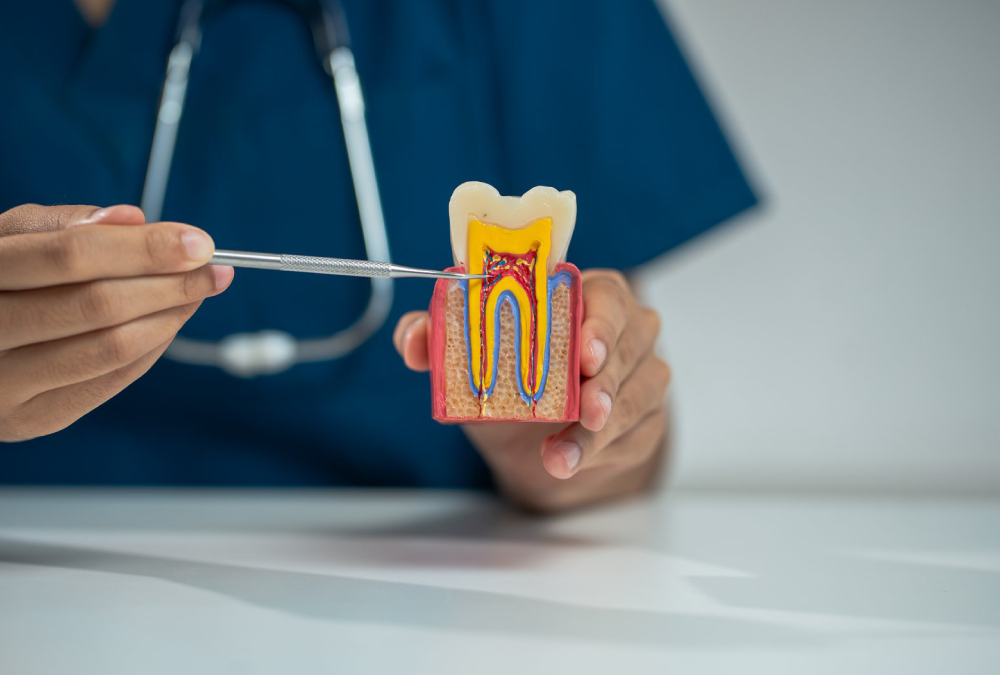
Each tooth has:
- Enamel (outer layer)
- Dentin (middle layer)
- Pulp (inner nerve and blood vessels)
When the pulp becomes infected due to decay, cracks, or trauma, a root canal is needed to remove the infection and save the tooth.
Root canal procedure includes:
- Removing infected pulp
- Cleaning inside the tooth
- Filling and sealing the canal
- Placing a crown for protection
Why Root Canal Treatment Is Needed
A root canal is recommended when:
- Deep tooth decay reaches the nerve
- Tooth is cracked or fractured
- Infection or abscess is present
- Severe tooth pain occurs
Without treatment, the infection can spread and lead to:
- Tooth loss
- Jaw bone damage
- Severe pain and swelling
Average Cost of Root Canal in Illinois (2026)
The cost of root canal treatment depends mainly on which tooth is affected and how complex the case is.
General Cost Range:
- $800 – $1,800 per tooth
By Tooth Type:
Front Teeth (Incisors & Canines)
- $800 – $1,200
- Less complex
- Single root canal system
Premolars
- $900 – $1,500
- Moderate complexity
- Usually 1–2 canals
Molars (Back Teeth)
- $1,200 – $1,800+
- Most complex
- Multiple canals
Additional Cost: Dental Crown After Root Canal
In most cases, a crown is needed after treatment to protect the tooth.
Crown Cost in Illinois:
- $800 – $2,000
Total combined cost:
- Root canal + crown = $1,600 – $3,500+
What Affects Root Canal Cost in Illinois?
Several important factors influence pricing.
1. Tooth Location
- Front teeth = cheaper
- Back molars = more expensive
2. Severity of Infection
Severe infections may require:
- Multiple visits
- Additional procedures
- Higher costs
3. Dentist vs Endodontist
- General dentist: lower cost
- Endodontist specialist: higher cost but more expertise
4. Clinic Location
Prices vary across Illinois:
- Chicago clinics: higher cost
- Suburban clinics: moderate pricing
- Smaller cities: more affordable
5. Technology Used
Advanced clinics using:
- Digital X-rays
- 3D imaging
- Laser-assisted treatment
may charge more but offer better precision.
6. Emergency Treatment
Emergency root canals often cost more due to:
- Same-day appointments
- Immediate pain relief services
Step-by-Step Root Canal Procedure
Understanding the process helps reduce fear.
Step 1: Diagnosis
Dentist examines:
- X-rays
- Symptoms
- Tooth condition
Step 2: Local Anesthesia
Area is numbed so patient feels no pain.
Step 3: Removing Infection
- Infected pulp is removed
- Canals are cleaned
Step 4: Filling the Tooth
- Canals are sealed with special material
Step 5: Crown Placement
- Tooth is restored with a crown for strength
Is Root Canal Painful?
Modern root canals are NOT painful.
During procedure:
- Numbing prevents pain
- Patients feel pressure but not pain
After procedure:
- Mild soreness for 1–3 days
- Easily managed with medication
Root Canal vs Tooth Extraction
Root Canal:
- Saves natural tooth
- Better long-term function
- Prevents bone loss
Extraction:
- Removes tooth completely
- Cheaper initially
- May require implant later
In most cases, dentists prefer saving the tooth.
Insurance Coverage for Root Canal in Illinois
Many dental insurance plans partially cover root canal treatment.
Typical coverage:
- 50% – 80% of cost
Insurance may cover:
- Diagnostic X-rays
- Part of root canal procedure
- Crown (partially or fully)
Patients should check:
- Annual maximum limits
- Waiting periods
- Network dentists
Payment Options for Root Canal Treatment
Most clinics offer flexible payment solutions:
1. Insurance + Copay
- Insurance covers part
- Patient pays remaining balance
2. Monthly Payment Plans
- Spread cost over 6–24 months
- Low or zero interest options
3. Emergency Financing
- Immediate treatment with later payments
Affordable Root Canal Options in Illinois
Patients can reduce cost by:
1. Visiting Suburban Clinics
Often cheaper than Chicago-based clinics.
2. Dental Schools
- Lower-cost treatment
- Supervised by professionals
3. Insurance Network Providers
In-network dentists offer discounted rates.
4. Preventive Care
Early treatment avoids costly complications.
Risks of Delaying Root Canal Treatment
Delaying treatment can lead to:
- Severe infection
- Tooth loss
- Swelling and abscess
- Higher future costs
- Spread of infection
Early treatment is always more affordable and safer.
Success Rate of Root Canal Treatment
Root canal procedures have a high success rate:
- 85% – 95% success rate
Success depends on:
- Oral hygiene
- Tooth condition
- Dentist expertise
Aftercare Tips for Root Canal Patients
To ensure proper healing:
- Avoid chewing hard foods initially
- Maintain good oral hygiene
- Take prescribed medication
- Attend follow-up visits
- Get crown placed quickly
Common Myths About Root Canals
Myth 1: Root canals are extremely painful
Modern treatment is virtually painless.
Myth 2: Tooth is better removed than treated
Saving natural teeth is always preferred.
Myth 3: Root canals cause illness
There is no scientific evidence supporting this.
Final Thoughts
Root canal treatment in Illinois is a highly effective and routine procedure designed to save natural teeth and eliminate infection. While the cost may vary depending on tooth type and complexity, it remains a valuable investment in long-term oral health.
With modern dental technology, experienced specialists, and flexible payment options, root canals are more accessible and comfortable than ever before.
Early treatment not only saves your tooth but also prevents more serious and expensive dental problems in the future.