
One of the most common questions parents ask is:
“When should my child first see a dentist?”
Many parents assume that dental visits should start only when all baby teeth have come in or when a child is old enough to understand instructions. However, dental experts strongly recommend much earlier visits to ensure proper oral development and prevent future problems.
In Illinois and across the world, pediatric dentists follow a simple rule: early dental care leads to lifelong healthy smiles. In this guide, we will explain the ideal timing for a child’s first dental visit, why it is important, what happens during the visit, and how parents can prepare.
The Recommended Age for First Dental Visit
The general guideline from pediatric dental associations is:
First Dental Visit: By Age 1 or Within 6 Months of First Tooth
This means a child should see a dentist:
- When the first tooth appears, OR
- By their first birthday
This recommendation surprises many parents, but early visits play a critical role in preventing dental issues.
Why Early Dental Visits Are Important
Starting dental visits early is not just about checking teeth—it is about building a strong foundation for lifelong oral health.
1. Early Detection of Problems
Even baby teeth can develop issues such as:
- Early cavities
- Gum infections
- Tooth development problems
A dentist can identify these issues before they become serious.
2. Preventing Tooth Decay (Baby Bottle Tooth Decay)
One of the most common problems in infants is decay caused by:
- Milk bottles
- Sugary drinks
- Nighttime feeding habits
Early visits help parents understand how to prevent this.
3. Monitoring Tooth and Jaw Development
Pediatric dentists track:
- Eruption of baby teeth
- Alignment of teeth
- Jaw growth patterns
Early monitoring ensures proper development.
4. Building Comfort with Dental Visits
Children who visit the dentist early:
- Feel less fear
- Adapt to dental environments
- Develop trust with the dentist
This reduces dental anxiety later in life.
5. Educating Parents
Early visits are equally important for parents.
Dentists guide parents on:
- Proper brushing techniques
- Fluoride use
- Nutrition for healthy teeth
- Thumb-sucking habits
What Happens During a Child’s First Dental Visit?
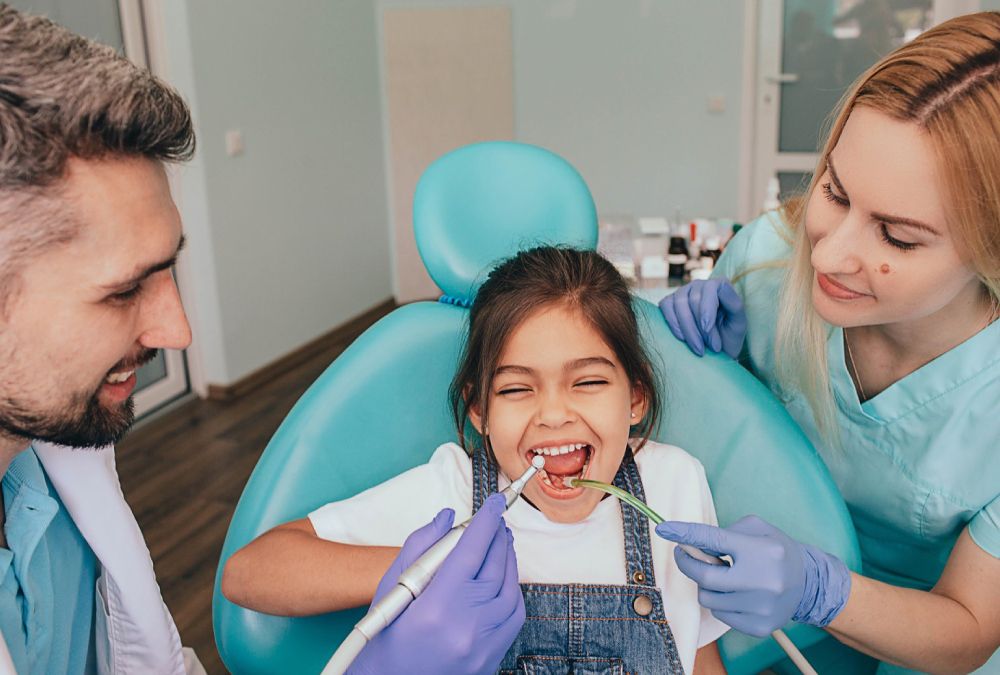
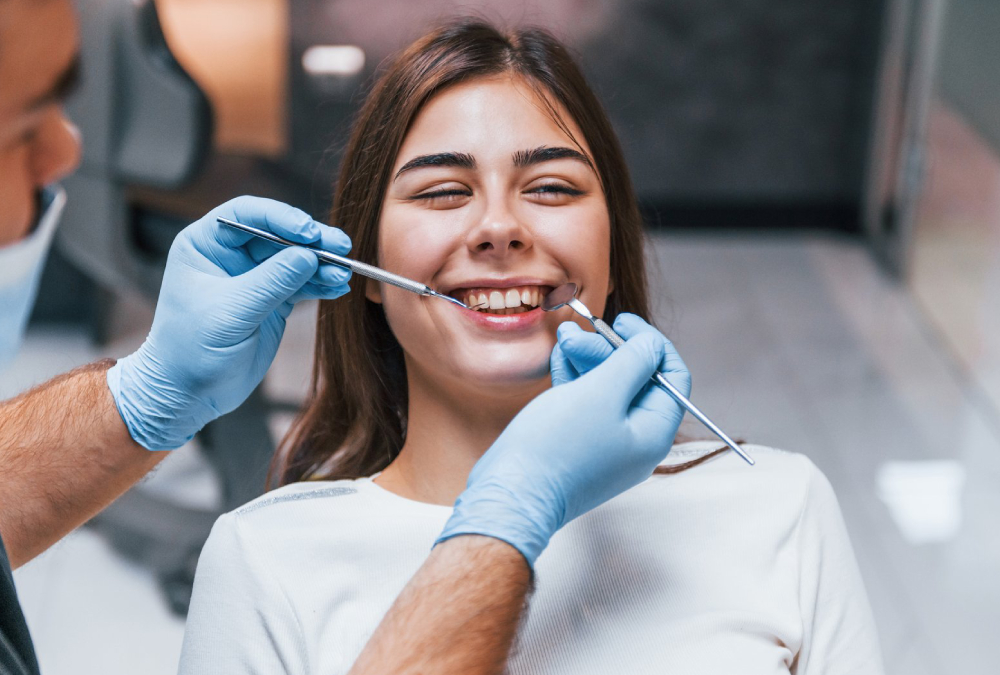
Many parents worry that the first visit will involve complex procedures, but in reality, it is very simple and gentle.
Step 1: Friendly Introduction
The dentist:
- Greets the child warmly
- Makes them feel comfortable
- Allows them to explore the environment
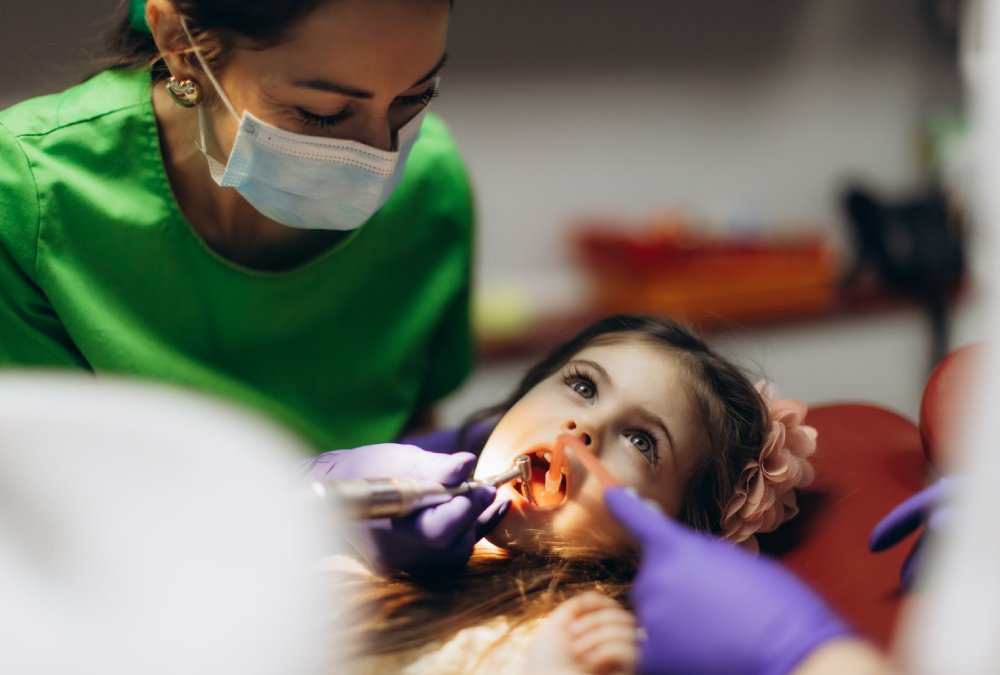
Step 2: Basic Oral Examination
The dentist checks:
- Baby teeth
- Gums
- Jaw development
- Oral hygiene
No painful procedures are involved.
Step 3: Cleaning (If Needed)
If teeth are present, a gentle cleaning may be done to remove plaque.
Step 4: Parent Guidance
The dentist explains:
- Brushing techniques
- Feeding habits
- Teething expectations
- Future visit schedule
Step 5: Preventive Advice
Parents receive tips on:
- Avoiding cavities
- Managing teething pain
- Encouraging good oral habits
Signs Your Child Needs a Dentist Earlier
Even before the recommended age, some signs indicate an earlier visit is needed:
- White or brown spots on teeth
- Swollen gums
- Difficulty eating
- Persistent thumb sucking
- Delayed tooth eruption
- Bad breath in children
If any of these occur, a dental visit should not be delayed.
Common Myths About Early Dental Visits
Myth 1: Baby Teeth Don’t Matter
This is incorrect. Baby teeth:
- Help with chewing
- Support speech development
- Hold space for permanent teeth
Myth 2: Kids Don’t Get Cavities
Children are actually at high risk due to:
- Sugary foods
- Milk bottles
- Poor brushing habits
Myth 3: First Visit Should Be When Pain Starts
Waiting for pain means:
- Problem has already developed
- Treatment becomes more complex
How to Prepare Your Child for the First Visit
A positive first experience is very important.
1. Talk Positively About the Dentist
Avoid scary words like:
- Pain
- Injection
- Hurt
Instead, say:
- The dentist will count your teeth
- The dentist will help keep your smile strong
2. Read Books or Watch Videos
Child-friendly dental stories help:
- Reduce fear
- Familiarize the process
3. Play Pretend Dentist at Home
Make brushing and dental checkups fun.
4. Schedule Wisely
Choose:
- Morning appointments
- Times when the child is well-rested
5. Stay Calm as a Parent
Children mirror parental emotions, so staying relaxed helps them feel safe.
How Often Should Kids Visit the Dentist?
After the first visit, children should generally visit:
Every 6 Months
Regular visits help:
- Prevent cavities
- Monitor growth
- Reinforce good habits
What Happens If You Delay the First Visit?
Delaying the first dental visit can lead to:
- Early cavities going unnoticed
- Tooth decay in baby teeth
- Fear of dental environments
- Misaligned tooth development
Early care is always easier and less expensive than late treatment.
Cost of Early Dental Visits in Illinois
Average Costs:
- First visit: $80 – $150
- Cleaning: $100 – $200
- Fluoride treatment: $30 – $80
Many clinics also offer:
- Insurance coverage
- Family dental packages
- Low-cost preventive care plans
Benefits of Early Dental Care
1. Healthy Smile Development
Proper monitoring ensures strong teeth from the start.
2. Reduced Dental Anxiety
Children grow up comfortable with dental care.
3. Fewer Future Problems
Early prevention reduces complex treatments later.
4. Better Oral Hygiene Habits
Children learn brushing and flossing early.
Final Thoughts
A child’s first dental visit should happen early—ideally by age one or when the first tooth appears. This early step plays a major role in ensuring long-term oral health, preventing dental problems, and building positive dental experiences.
In Illinois, pediatric dentists are well-equipped to make this experience gentle, friendly, and educational for both children and parents. The earlier you start, the healthier and happier your child’s smile will be in the future.