
When it comes to straightening teeth, two of the most popular orthodontic treatments are traditional braces and Invisalign clear aligners. Both are highly effective, but they work in very different ways and are suited to different types of patients.
If you are considering orthodontic treatment in Illinois, one of the biggest questions you will face is:
Should I choose Invisalign or braces?
The answer depends on your dental condition, lifestyle, budget, and personal preferences. In this guide, we will break down everything you need to know about Invisalign vs braces so you can make an informed decision.
Understanding the Basics
Before comparing, let’s understand how each treatment works.
What Are Traditional Braces?
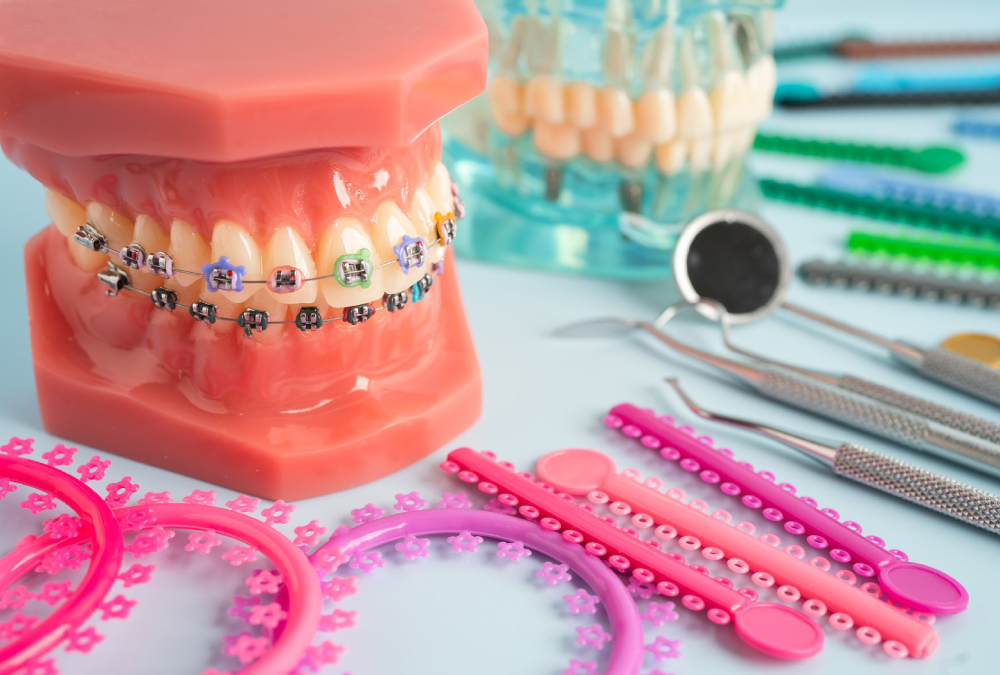
Braces use metal or ceramic brackets attached to your teeth, connected by wires that gradually move teeth into proper alignment.
They are used to treat:
- Severe crowding
- Bite issues
- Complex misalignment
- Jaw correction problems
Braces apply constant pressure to slowly shift teeth into the correct position.
What Is Invisalign?
Invisalign uses a series of clear, removable plastic aligners that gradually move teeth.
They are used to treat:
- Mild to moderate misalignment
- Gaps between teeth
- Minor bite issues
Each set of aligners is worn for about 1–2 weeks before switching to the next set.
Invisalign vs Braces: Key Differences
1. Appearance
- Braces: Visible metal or ceramic brackets
- Invisalign: Nearly invisible aligners
Invisalign is more popular among adults and professionals who prefer a discreet option.
2. Comfort
- Braces: Can cause irritation inside the mouth
- Invisalign: Smooth plastic, generally more comfortable
3. Removability
- Braces: Fixed, cannot be removed
- Invisalign: Removable for eating and brushing
4. Eating Restrictions
- Braces: Avoid sticky and hard foods
- Invisalign: No food restrictions (removed while eating)
5. Oral Hygiene
- Braces: Harder to clean teeth
- Invisalign: Easier brushing and flossing
6. Treatment Complexity
- Braces: Suitable for all cases, including severe issues
- Invisalign: Best for mild to moderate cases
7. Treatment Time
- Braces: 18–36 months (varies by case)
- Invisalign: 12–24 months (average cases)
8. Cost
- Braces: Generally more affordable
- Invisalign: Slightly more expensive
Effectiveness Comparison
Braces
Braces are considered the most powerful orthodontic treatment because they can handle:
- Severe crowding
- Complex bite issues
- Rotated teeth
- Jaw alignment problems
They provide precise control over tooth movement.
Invisalign
Invisalign is highly effective for:
- Mild to moderate misalignment
- Cosmetic improvements
- Small gaps and spacing issues
However, it may not be suitable for very complex cases.
Comfort and Lifestyle Impact
Braces Lifestyle Impact
Patients with braces may experience:
- Difficulty eating certain foods
- Regular dental tightening appointments
- Visible metal brackets
However, braces require no discipline, as they are fixed.
Invisalign Lifestyle Impact
Invisalign offers more flexibility:
- Can be removed during meals
- Easier oral hygiene
- Almost invisible appearance
But it requires discipline:
- Must be worn 20–22 hours per day
- Easy to misplace
Maintenance and Care
Braces Maintenance
- Regular brushing around brackets
- Avoid sticky foods
- Frequent orthodontist visits
Invisalign Maintenance
- Clean aligners daily
- Store properly when removed
- Avoid eating while wearing aligners
Which Is Better for Teens?
Braces for Teens
- More reliable
- No responsibility of removing aligners
- Better for complex cases
Invisalign for Teens
- More aesthetic
- Better for confident teens
- Requires discipline
Which Is Better for Adults?
Invisalign for Adults
- Discreet
- Professional appearance
- Easy lifestyle integration
Braces for Adults
- Better for complex dental issues
- Faster correction in some cases
- Stronger control over movement
Cost Comparison in Illinois (2026)
Braces:
- $3,000 – $7,500
Invisalign:
- $3,500 – $8,000
In general:
- Braces are slightly more affordable
- Invisalign is slightly more expensive due to technology
Pros and Cons
Braces
Pros:
- Works for all cases
- Highly effective
- No discipline needed
- Strong control over movement
Cons:
- Visible
- Food restrictions
- Harder cleaning
Invisalign
Pros:
- Nearly invisible
- Comfortable
- Removable
- Easier hygiene
Cons:
- Requires discipline
- Not suitable for all cases
- Higher cost
Treatment Experience
Braces Experience
- Regular tightening visits
- Gradual movement
- Visible progress over time
Invisalign Experience
- New aligners every 1–2 weeks
- Fewer dental visits
- Subtle but steady progress
Which One Should You Choose?
The best option depends on your needs:
Choose Braces if:
- You have severe misalignment
- You want maximum effectiveness
- You don’t mind visible brackets
Choose Invisalign if:
- You want a discreet option
- You have mild to moderate issues
- You prefer flexibility
Dentist Recommendation
Most orthodontists in Illinois recommend:
- Braces for complex cases
- Invisalign for cosmetic corrections
- Sometimes a combination approach
A consultation is always necessary to determine the best option.
Final Thoughts
Both Invisalign and braces are excellent orthodontic treatments, but they serve different purposes. Braces are more powerful and suitable for all cases, while Invisalign offers a more comfortable and discreet experience.
The right choice depends on your dental condition, lifestyle, and personal preference. Consulting a qualified orthodontist in Illinois will help you choose the most effective treatment for your smile goals.